blog
Blocked Drains in Commercial Properties: Who Is Responsible?
Blocked Drains in Commercial Properties: Who Is Responsible?
Blocked drains in commercial properties can cause serious disruption. From unpleasant smells and unusable facilities to flooding and forced closures, drainage problems are not something any business wants to deal with. One of the first questions that usually arises is also one of the most confusing: who is actually responsible for fixing the problem?
In the UK, responsibility for blocked drains in commercial properties depends on several factors, including where the blockage is located, who owns the pipework and how the property is occupied. For business owners, landlords and property managers in Swindon, understanding this responsibility is essential to avoid delays, disputes and unnecessary costs.
This guide explains how responsibility is typically determined, what UK rules apply and what steps businesses should take when a blockage occurs.
Why Drain Responsibility Matters for Businesses
When a drain blocks in a commercial setting, time is critical. Toilets may be unusable, kitchens may have to shut down and health and safety concerns can escalate quickly. Delays caused by uncertainty over responsibility often make the situation worse.
Understanding who is responsible allows you to:
• Act quickly and reduce downtime
• Avoid disputes between tenants and landlords
• Prevent further damage to the property
• Ensure legal and hygiene obligations are met
In many cases, responsibility is clearer than people expect — once the drainage layout is understood.
Understanding Commercial Drainage Systems
Commercial drainage systems are typically made up of several sections:
Internal pipework
Drains located within the property boundary
Shared drains serving more than one property
Public sewers maintained by the local water authority
Where the blockage occurs within this system usually determines who must arrange and pay for repairs.
Who Is Responsible for Blocked Drains in Commercial Properties?
Business Owners and Tenants
In most commercial lease agreements, the tenant or business owner is responsible for maintaining internal pipework and any private drains that serve only their premises.
This usually includes:
• Sinks, toilets and internal drainage pipes
• Private drains within the property boundary
• Blockages caused by misuse, waste or operational activities
For example, if a restaurant experiences a blockage due to grease buildup in its private drainage system, responsibility typically lies with the business operating the premises.
Tenants are also generally responsible for avoiding misuse of the drainage system and reporting issues early.
Landlords and Property Owners
Landlords are often responsible for structural elements of the property, including shared drainage systems and external pipework that serves more than one unit.
This may include:
• Drains shared between multiple commercial units
• Drainage infrastructure serving communal areas
• Older pipework forming part of the building structure
Responsibility can vary depending on the lease terms, so it’s important for both landlords and tenants to review their agreements carefully.
Managing Agents or Property Management Companies
In multi-occupancy commercial buildings, responsibility for shared drains is often handled by a management company. This is common in office blocks, retail parks and industrial estates.
Maintenance costs may be recovered through service charges paid by tenants.
Local Water Authority
Under UK law, public sewers are the responsibility of the local water authority. These are usually drains located beyond the property boundary that serve multiple properties and connect to the wider sewer network.
If a blockage is found in a public sewer, the water authority is responsible for clearing and repairing it. However, identifying whether a drain is public or private often requires professional investigation.
Why CCTV Drain Surveys Are So Important
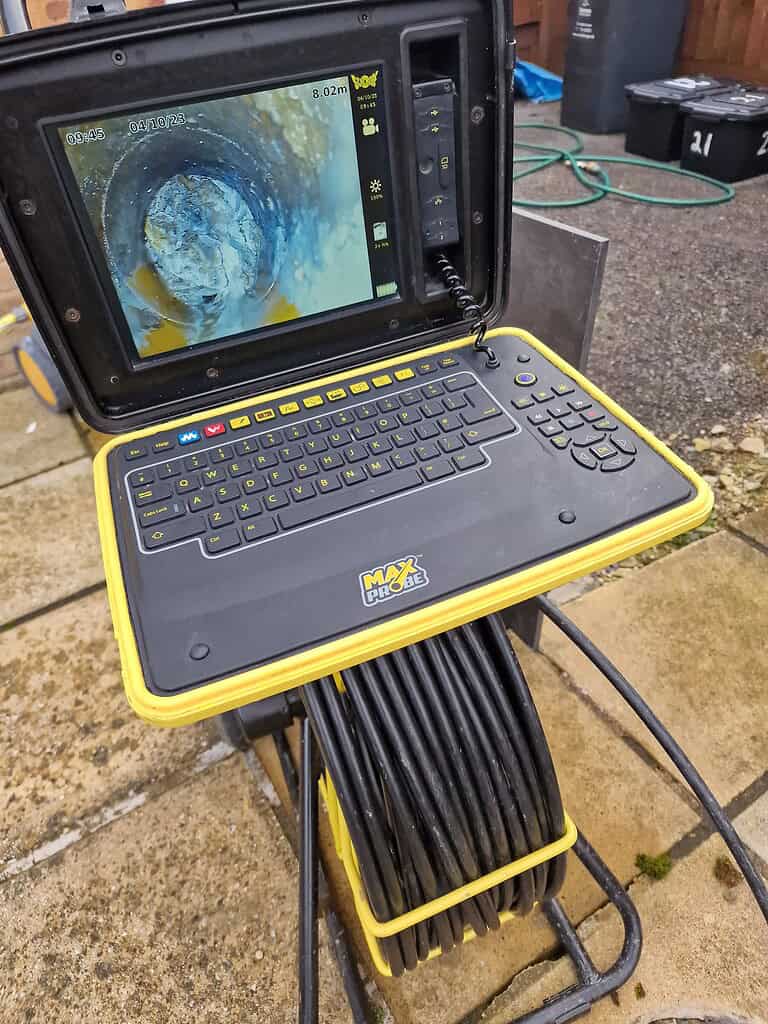
One of the biggest challenges with drainage responsibility is locating the exact position of the blockage. This is where CCTV drain surveys are invaluable.
A CCTV inspection can:
• Identify the precise location of the blockage
• Determine whether the drain is private, shared or public
• Reveal damage, root intrusion or structural faults
• Provide evidence for landlords, tenants or insurers
For commercial properties, this avoids disputes and ensures the right party takes responsibility quickly.
What Happens If Responsibility Is Ignored?
When drainage responsibility isn’t clear or action is delayed, problems often escalate.
Businesses may face:
• Flooding or sewage backup
• Health and safety risks
• Hygiene concerns and complaints
• Temporary closure
• Financial losses
• Damage to reputation
In food-related businesses, drainage failures can be particularly serious, potentially affecting compliance with hygiene standards.
Preventing Drainage Disputes and Emergencies
The best way to avoid responsibility disputes is proactive maintenance and clear communication.
Businesses should:
• Understand their lease obligations
• Arrange regular drain inspections where appropriate
• Avoid misuse of drainage systems
• Report problems as soon as they arise
Landlords and managing agents should ensure shared systems are inspected and maintained regularly to prevent failures affecting multiple tenants.
Why Commercial Drain Maintenance Is Essential
Preventative maintenance significantly reduces the risk of blockages and emergency callouts.
Regular maintenance may include:
• CCTV inspections
• High-pressure drain jetting
• Grease management solutions
• Routine checks of external drainage
For many Swindon businesses, a maintenance plan is far more cost-effective than dealing with repeated emergencies.
How Centra Drains Helps Commercial Clients in Swindon
Centra Drains works with business owners, landlords and property managers across Swindon to resolve drainage issues quickly and professionally.
We help by:
• Locating blockages accurately
• Identifying responsibility clearly
• Providing detailed reports
• Clearing blockages efficiently
• Minimising disruption to business operations
Our experience with commercial drainage systems means issues are handled correctly from the outset.
Know Your Responsibility, Protect Your Business
Blocked drains in commercial properties are stressful, but confusion over responsibility doesn’t need to add to the problem. Understanding who is responsible under UK rules allows businesses to act quickly, reduce downtime and avoid costly disputes.
If your commercial property is experiencing drainage issues and you’re unsure where responsibility lies, professional investigation is the fastest and safest way forward. Early action protects your premises, your staff and your reputation — and keeps your business running smoothly.