blog
Can Blocked Drains Affect Your Home Insurance? What UK Property Owners Need to Know
Blocked drains are messy, stressful and often expensive, but what many homeowners don’t realise is that they can also affect home insurance. It’s a question people usually only ask after something has gone wrong, often when water has backed up or caused damage and a claim is needed.
The reality is that insurance companies in the UK can be very specific about what they will and won’t cover when it comes to drainage problems. In some cases, a blocked drain may be covered. In others, a claim can be reduced or even refused altogether.
In this blog, we’ll explain how blocked drains relate to home insurance, when insurers are likely to pay out, when they won’t, and what you can do to protect yourself.
Why Drainage Issues Raise Red Flags for Insurers
Insurance policies are designed to cover sudden and unexpected events, not gradual problems caused by wear, neglect or lack of maintenance. This is where drainage issues often fall into a grey area.
Blocked drains usually develop over time. Grease, debris, wipes, scale or tree roots don’t cause instant failure. They build up slowly, often showing warning signs long before serious damage occurs. From an insurer’s point of view, this matters a lot.
If an insurer believes a problem could have been prevented with reasonable maintenance or early action, they may argue that it isn’t an insurable event.
When a Blocked Drain Might Be Covered
In certain situations, insurance may cover damage linked to a blocked drain.
This is more likely if:
- The damage was sudden and unexpected
- The blockage led to flooding or structural damage
- There was no prior warning or known issue
- The drainage system had been reasonably maintained
For example, if a drain collapses unexpectedly and causes water damage inside the property, insurers may consider covering the resulting damage, even if they don’t cover the drain repair itself.
It’s important to note that insurance often covers the damage caused by the problem, rather than the cost of clearing the blockage.
When Insurance Is Unlikely to Pay Out
There are also many situations where insurers may refuse a claim related to blocked drains.
This commonly happens when:
- The blockage developed over a long period
- Warning signs were ignored
- Maintenance was not carried out
- The damage resulted from misuse
- The issue was known but not addressed
If slow drainage, bad smells or repeat blockages were present for some time, insurers may argue that the problem should have been dealt with earlier. In those cases, claims can be rejected on the grounds of neglect.
The Importance of Maintenance in Insurance Decisions
Most home insurance policies include wording around “reasonable maintenance”. This doesn’t mean your drains need constant professional cleaning, but it does mean obvious issues shouldn’t be ignored.
From an insurer’s perspective, reasonable maintenance includes:
- Acting on persistent drainage problems
- Avoiding misuse of the drainage system
- Keeping external drains clear where possible
- Investigating recurring blockages
If a claim is made, insurers may ask for evidence that the issue wasn’t ongoing or previously known.
How Evidence Can Make or Break a Claim
One of the biggest challenges with drainage-related claims is proving what caused the problem and when it developed.
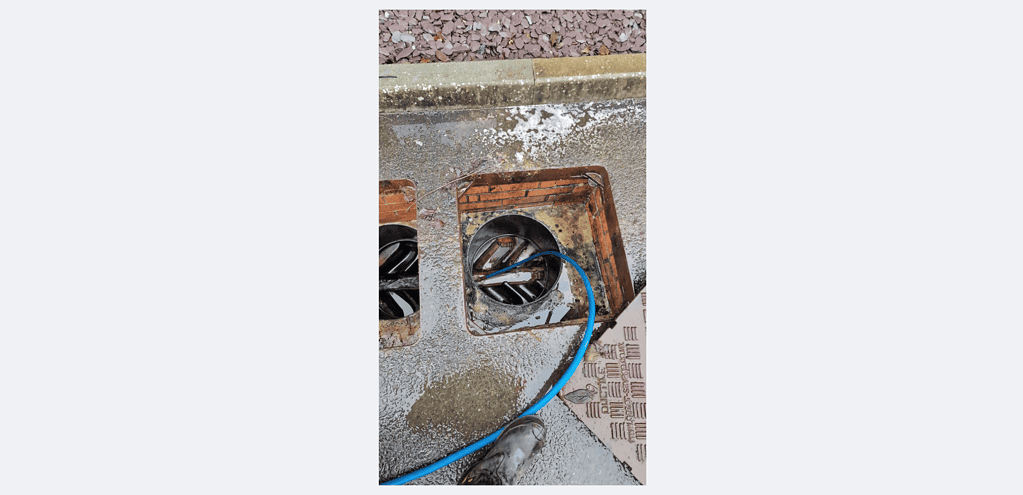
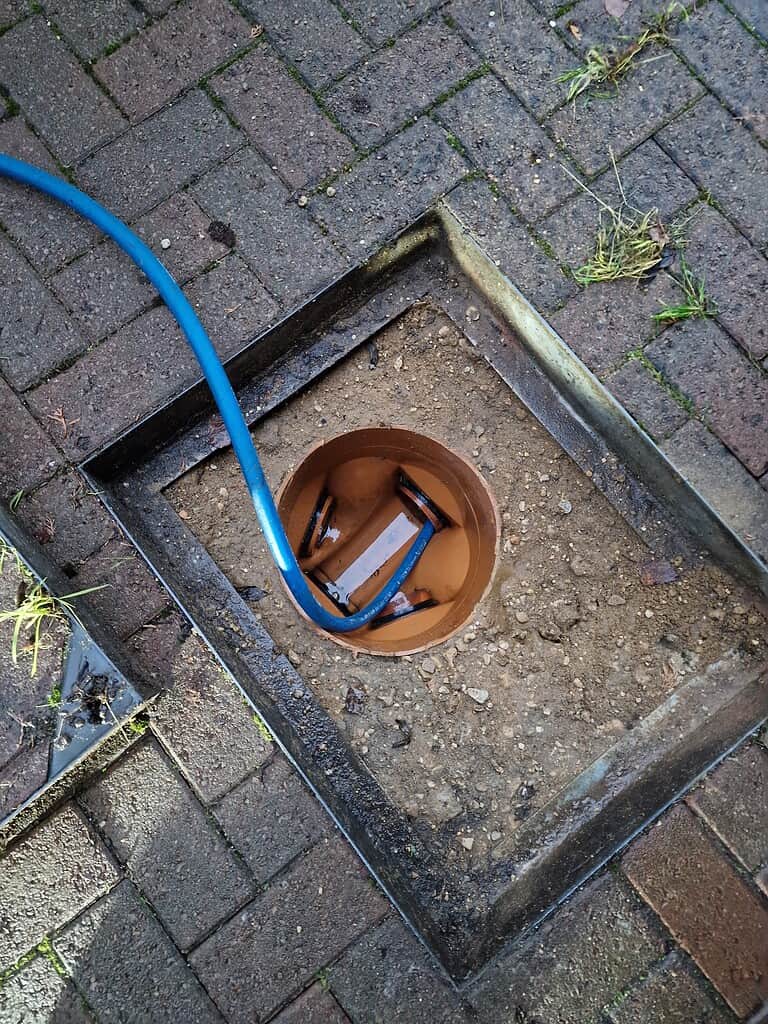
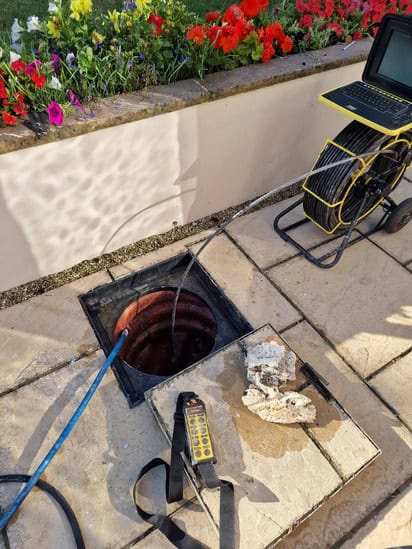
This is where professional drainage inspections can be extremely valuable. A CCTV drain survey provides a clear record of the condition of the pipework and can help show whether damage was sudden or long-standing.
For insurance purposes, reports can:
- Show the location and nature of damage
- Identify collapses, cracks or root intrusion
- Demonstrate whether a fault was pre-existing
- Support claims for accidental damage
Without evidence, insurers may assume the worst.
What About Shared Drains and Sewers?
Responsibility also plays a role in insurance decisions. If a blockage occurs in a shared drain or public sewer, the situation becomes more complex.
Damage caused by issues outside your responsibility may still be covered under your policy, but insurers will often want confirmation of where the fault occurred. Again, proper investigation is key.
Why Ignoring Drain Problems Can Cost You Twice
Many people delay dealing with drainage issues to save money. Unfortunately, this often leads to higher costs in the long run.
Ignoring early signs can result in:
- More serious damage
- Higher repair costs
- Insurance claims being refused
- Increased excess payments
- Out-of-pocket expenses
In some cases, homeowners end up paying for both the drainage repair and the resulting damage because insurers deem the issue preventable.
Practical Steps to Protect Your Insurance Cover
You don’t need to panic every time a drain slows down, but taking sensible action can make a real difference.
Good habits include:
- Taking repeat drainage issues seriously
- Acting quickly if smells or slow drainage persist
- Keeping records of professional inspections or repairs
- Avoiding DIY fixes that mask problems
- Getting advice if you’re unsure about the cause
These steps not only protect your property but also strengthen your position if an insurance claim is ever needed.
Why Early Professional Advice Matters
One of the biggest mistakes property owners make is waiting until damage occurs. By that point, options are limited and insurers are already asking questions.
Professional drainage specialists can identify problems early, explain what’s happening and help prevent situations that might later cause insurance complications.
In many cases, a simple inspection or clearance can prevent both damage and disputes.
Final Thoughts
Blocked drains don’t just affect your plumbing. They can also affect your insurance, your finances and your peace of mind. While some drainage-related damage may be covered, insurers are far less forgiving when problems are ignored or allowed to develop over time.
If you notice persistent drainage issues, dealing with them early is always the safest option. It protects your home, reduces repair costs and helps ensure that if something does go wrong, you’re in the strongest possible position.
When it comes to drains and insurance, prevention really is better than a refused claim.