blog
Can a Blocked Drain Cause Damp in Your Home?
When people discover damp patches in their home, their first thought is usually a leaking roof, faulty guttering or condensation. While these are all common causes, there’s another issue that often gets overlooked: the drainage system.
A blocked or damaged drain can allow water to escape into the surrounding ground, where it may eventually affect walls, foundations and areas around the property. Because the problem starts underground, many homeowners don’t realise there’s a drainage issue until the signs of damp begin to appear.
Understanding the connection between drains and damp can help you identify problems earlier and potentially avoid more extensive repairs.
How Drains and Damp Are Connected
Your drainage system is designed to move wastewater safely away from the property. When everything is working properly, water flows through the pipes and away from the building without causing any issues.
Problems begin when a drain becomes blocked, cracked or damaged.
Instead of flowing away, water can start escaping into the surrounding soil. Over time, this excess moisture builds up and may begin affecting nearby structures.
The closer the damaged drain is to the property, the greater the chance that damp-related issues could develop.
Signs a Drainage Issue Could Be Contributing to Damp
Not every damp problem is caused by drainage, but there are certain signs that suggest a drain may be involved.
These include:
- Damp patches appearing near external walls
- Persistent wet areas outside the property
- Unpleasant smells around drains or affected walls
- Slow drainage inside the property
- Repeated drain blockages
- Water pooling near inspection chambers or gullies
If you notice a combination of these signs, it may be worth investigating the drainage system rather than focusing solely on the visible damp.
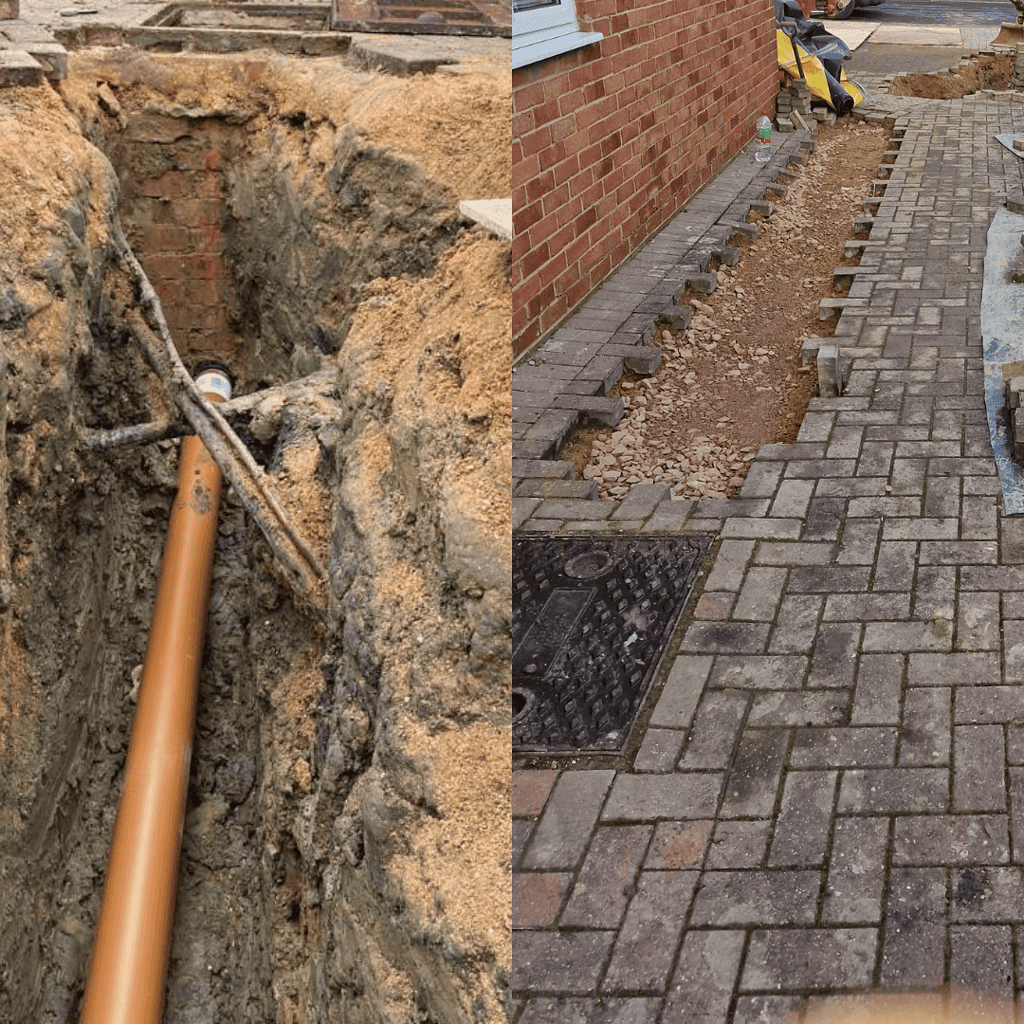
Damaged Drains Can Leak Water Underground
One of the most common drainage-related causes of damp is a cracked or fractured pipe.
Even a relatively small crack can allow water to escape continuously into the surrounding ground. Because this happens gradually, the issue can go unnoticed for months or even years.
As the soil becomes saturated, moisture may begin affecting nearby walls, driveways or foundations.
This is particularly common in older properties where the drainage system may have been installed decades ago.
Blocked Drains Can Create Overflow Problems
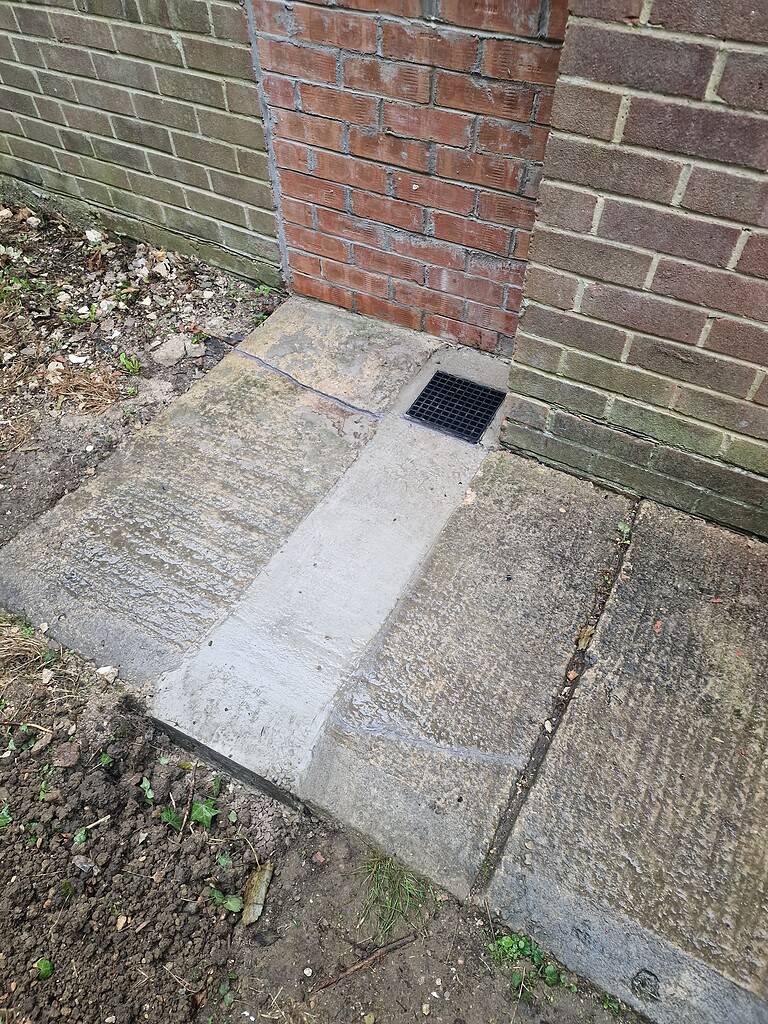
A blockage doesn’t always keep water inside the pipe.
When a drain becomes restricted, water can back up and overflow at weak points in the system. This may happen around inspection chambers, gullies or damaged joints.
Repeated overflows can leave surrounding areas permanently damp and contribute to moisture problems around the property.
The issue often becomes worse during periods of heavy rainfall when the drainage system is already under pressure.
Why Damp Caused by Drainage Is Often Missed
One reason drainage-related damp can be difficult to identify is that the symptoms appear far away from the actual problem.
You might notice a damp patch on an internal wall without realising that a damaged drain several metres away is allowing water to escape underground.
Because the source isn’t immediately visible, people often spend time and money investigating other causes first.
This is why a thorough approach is important when dealing with persistent damp issues.
Older Properties Are More Vulnerable
Many older homes still rely on drainage systems that have been in place for decades.
Over time, pipes can crack, joints can move and root intrusion can create weaknesses in the system. While the property itself may appear perfectly sound, hidden drainage defects can gradually lead to moisture problems.
Regular drainage inspections can be particularly useful for older properties where the condition of the underground pipework is unknown.
How Drainage Problems Are Identified
The most effective way to investigate a suspected drainage issue is with a CCTV drain survey.
This allows engineers to inspect the inside of the pipework and identify:
- Cracks and fractures
- Root intrusion
- Blockages
- Joint failures
- Collapsed sections
Because the camera provides a clear view of the system, it’s possible to pinpoint the source of the problem without excavation.
Why Early Action Matters
Like most property issues, drainage problems tend to become more expensive the longer they’re left.
A small crack in a pipe can eventually become a larger failure. A minor blockage can develop into a complete restriction.
Addressing the issue early often prevents further damage and reduces repair costs.
Final Thoughts
Damp isn’t always caused by what’s happening above ground. In some cases, the real issue lies beneath your feet.
Blocked, damaged or leaking drains can contribute to excess moisture around a property, particularly if the problem has been developing for a long time.
If you’re dealing with unexplained damp and other drainage-related symptoms, it may be worth considering whether the drainage system could be part of the problem.
Finding the source early is often the key to preventing more extensive damage later on.