blog
Do You Need a Drain Survey Before Buying a House?
Buying a house is one of the biggest decisions you’ll ever make. Most people focus on the obvious things and the condition of the roof, the boiler, the electrics and the general structure. But there’s one area that’s often overlooked completely: the drainage system.
Because it’s underground and out of sight, it rarely gets much attention during viewings or standard surveys. The problem is, drainage issues can be expensive, messy and disruptive once you’ve moved in.
So the question is, do you actually need a drain survey before buying a house?
The short answer is: in many cases, yes, and it can save you a lot of trouble down the line.
What Is a Drain Survey?
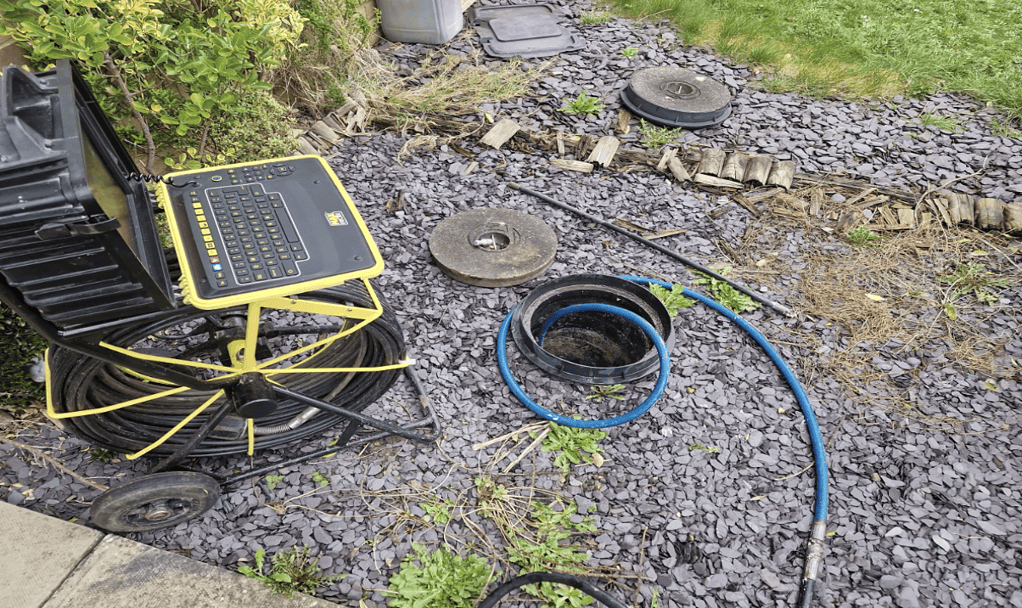
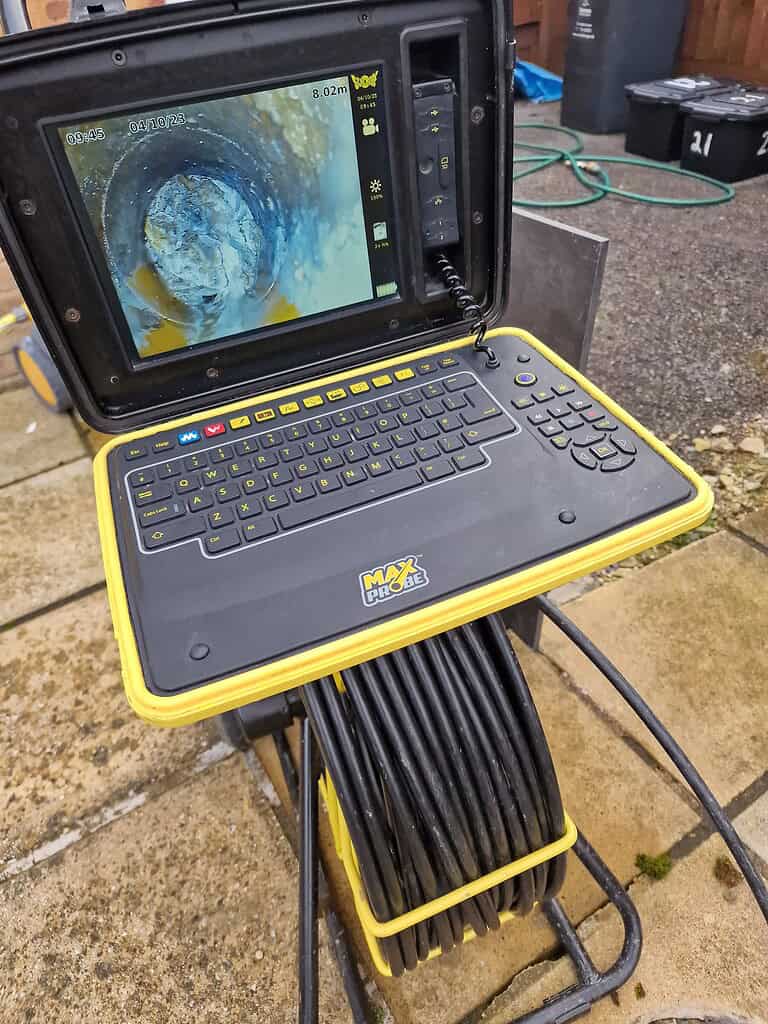
A drain survey, often called a CCTV drain survey, involves using a small camera to inspect the inside of the drainage system. It allows engineers to see exactly what condition the pipes are in without digging anything up.
The survey can identify:
- Blockages or build-up
- Cracks or fractures in the pipes
- Collapsed sections
- Tree root intrusion
- Misaligned or poorly connected joints
It’s one of the only ways to get a clear picture of what’s happening underground before you commit to a purchase.
Why Drains Are Often Missed
Most property surveys don’t go into detail when it comes to drainage. They may mention it briefly or recommend further checks, but they rarely inspect the system properly.
That means you could go through the entire buying process without knowing there’s an issue sitting just below the surface.
Unlike visible problems, drainage issues don’t always show themselves straight away. You might only notice something is wrong weeks or months after moving in.
What Can Go Wrong After You Move In
If there is a problem with the drains and it hasn’t been picked up, it usually becomes your responsibility once the sale is complete.
Common issues include repeated blockages, slow draining sinks or toilets, bad smells around the property, or even water backing up where it shouldn’t.
In more serious cases, there could be damage to the pipes themselves. That can lead to excavation work, which is both disruptive and expensive.
None of these are things you want to deal with after just buying a property.
When a Drain Survey Makes the Most Sense
Not every property will need one, but there are situations where it is definitely worth considering.
Older homes are more likely to have ageing pipework, which can be more vulnerable to damage or movement over time. Properties with large trees nearby can also be at risk, as roots often find their way into drains.
If the property has been extended or altered, it’s also worth checking that the drainage has been connected properly. And if you notice any warning signs during a viewing, such as slow drainage or unpleasant smells, that’s a clear reason to investigate further.
Can It Help You Save Money?
In a lot of cases, yes.
If a survey finds a problem before you buy, you can decide how to move forward. You might ask for the issue to be fixed, negotiate the price, or reconsider the purchase altogether.
Compared to the cost of major drainage repairs, the cost of a survey is relatively small. It gives you information you can actually use during the buying process.
What the Process Looks Like
The survey itself is straightforward and doesn’t cause any disruption to the property.
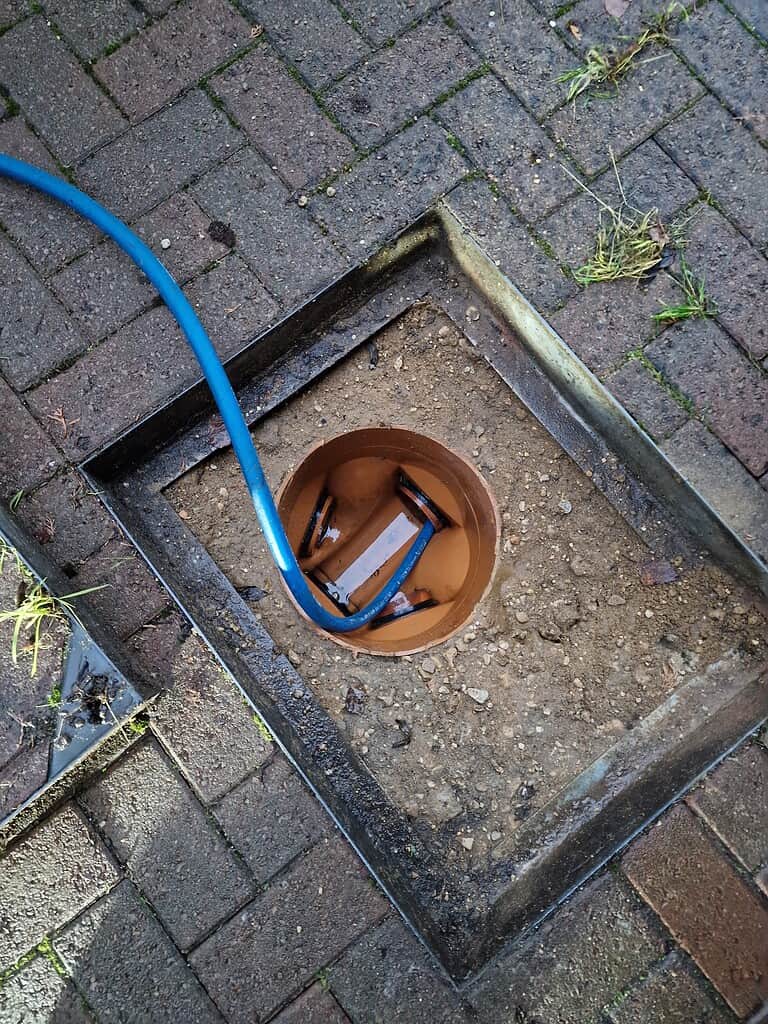
An engineer accesses the drainage system through an inspection chamber and feeds a camera through the pipes. The footage is recorded and reviewed, and any issues are clearly identified.
Afterwards, you receive a report explaining the condition of the system and whether any work is recommended. It’s clear, simple and easy to understand.
What About Newer Properties?
It’s easy to assume newer homes won’t have drainage issues, but that’s not always the case.
Problems can still happen due to poor installation, leftover building debris, or early wear. While the risk may be lower, a survey can still give you reassurance that everything is working as it should.
Peace of Mind Before You Commit
Buying a house always comes with a degree of uncertainty. A drain survey helps remove one of the bigger unknowns.
Knowing the drainage system is in good condition means one less thing to worry about once you’ve moved in. And if there is an issue, it’s far better to know about it before the purchase goes through.
Final Thoughts
Drains are easy to overlook because you can’t see them, but they play a big part in how a property functions day to day.
A drain survey isn’t always essential, but in many cases it’s a sensible step. It can highlight hidden problems, help you avoid unexpected costs and give you confidence in your decision.
If you’re in the process of buying a property, it’s worth asking the question before you commit.