blog
Why Your Drains Smell After Heavy Rain (And What It Means)
you’ve ever stepped outside or into your kitchen or bathroom after heavy rain and noticed an unpleasant drain smell, you’re not alone. It’s a surprisingly common issue, especially in wetter months, and it often catches people off guard. The rain clears, but the smell lingers — sometimes getting stronger rather than fading away.
While it might seem like a minor annoyance, bad drain smells after rainfall are often a sign that something isn’t quite right within the drainage system. In many cases, it’s an early warning that shouldn’t be ignored.
In this post, we’ll explain why drain smells tend to appear after heavy rain, what’s happening underground, and when it’s time to take action before the problem escalates.
Why Heavy Rain Affects Your Drains
Drainage systems are designed to move wastewater away efficiently, but they also rely on air flow and balance within the pipework. When there’s a sudden increase in water volume, like during heavy rainfall, that balance can be disrupted.
Rainwater doesn’t just go into surface drains. It enters the wider sewer network, increasing pressure throughout the system. If your drains are already struggling due to partial blockages, debris buildup or structural issues, this extra water can expose problems that weren’t obvious before.
That’s why smells often appear after rain rather than during dry weather.
Common Reasons Drains Smell After Rain
Trapped Waste Being Disturbed
Over time, waste such as grease, food residue, soap and organic debris can build up inside pipes. When heavy rain forces more water through the system, this trapped material can shift slightly, releasing unpleasant odours back through the drains.
The smell may come and go at first, but it often becomes more frequent if the underlying issue isn’t addressed.
Partial Blockages in the System
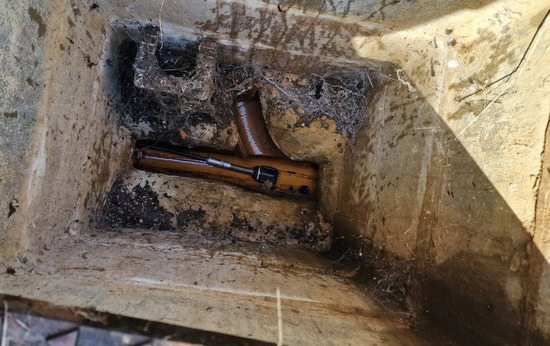
A drain doesn’t need to be fully blocked to cause problems. Partial blockages restrict flow and interfere with ventilation inside the pipes.
When rainwater increases pressure in the system, air gets pushed back through sinks, showers or outdoor drains, carrying bad smells with it. This is one of the clearest signs that a blockage is forming deeper in the pipework.
Dry or Faulty Traps
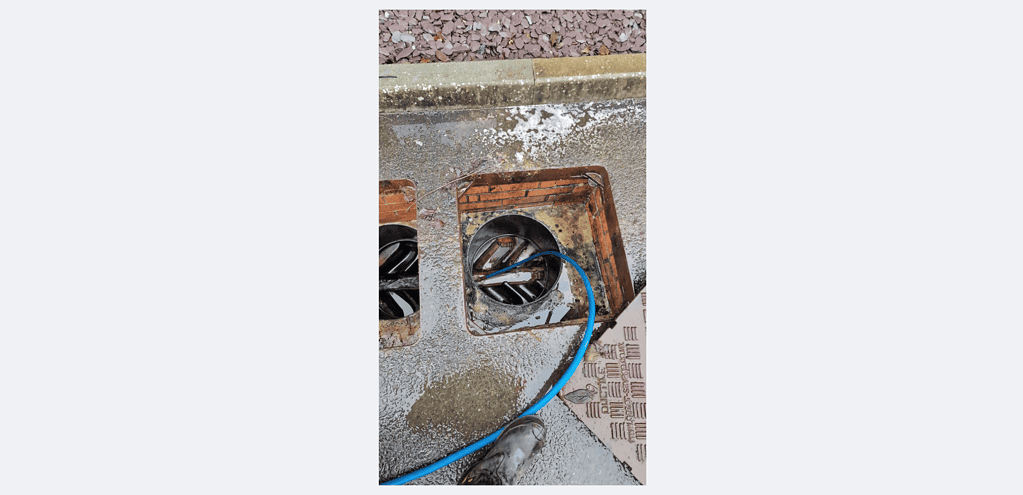
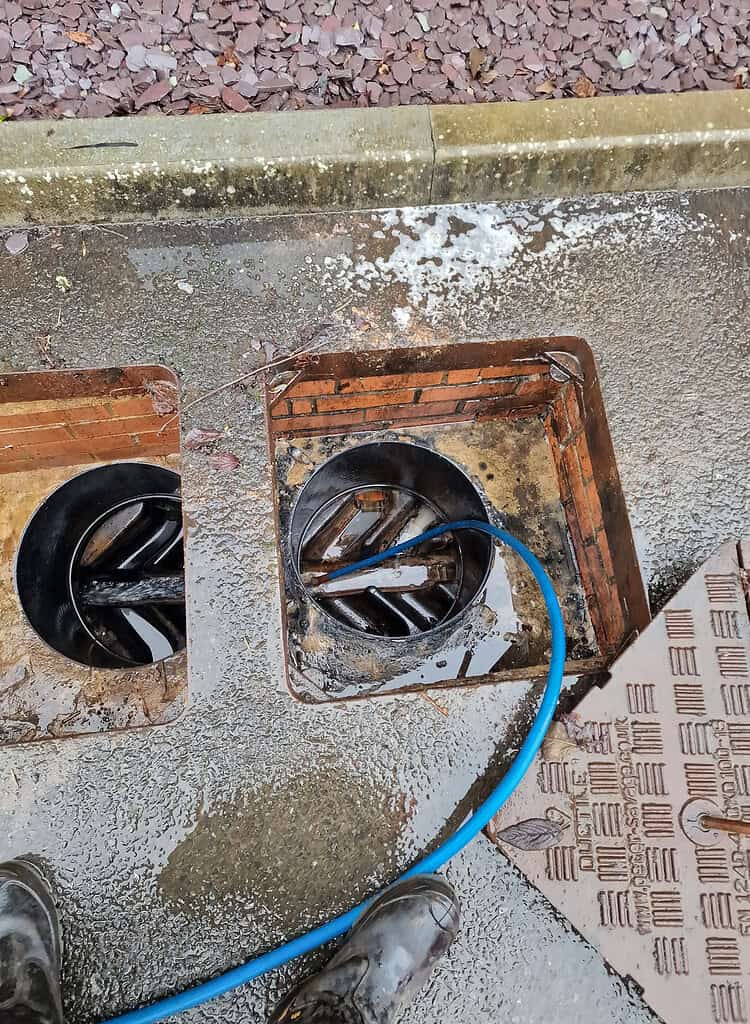
Drain traps are designed to hold a small amount of water that acts as a barrier, stopping sewer gases from entering your property. After long dry spells followed by heavy rain, traps can be disturbed or emptied, allowing smells to escape.
This is more common in rarely used sinks, floor drains or outdoor gulleys.
Issues Further Down the Line
Sometimes the problem isn’t inside your property at all. Heavy rain can overload shared drains or nearby sewers, causing smells to travel back toward connected properties.
Even if water is draining away normally, odours can still rise if the system is under pressure.
Why You Shouldn’t Ignore Drain Smells
It’s easy to mask a smell with air fresheners or assume it will clear on its own, but drain odours are rarely harmless. In many cases, they’re an early sign of a developing issue that will only get worse over time.
Ignoring the smell can lead to:
- Blocked drains forming fully
- Water backing up into sinks or toilets
- Overflowing outdoor drains
- Damage to pipework
- More expensive repairs later on
The earlier the cause is identified, the simpler and cheaper the fix usually is.
When Rain-Related Drain Smells Point to a Bigger Problem
If the smell:
- Appears every time it rains
- Gets stronger over time
- Comes from multiple drains
- Is accompanied by slow drainage or gurgling sounds
Then it’s very likely that there’s an underlying drainage issue that needs professional attention.
At this stage, quick fixes won’t solve the problem. The cause needs to be properly identified.
How Drain Problems Are Properly Diagnosed
Because most drainage issues happen out of sight, guessing rarely leads to the right solution. This is where professional inspection becomes important.
A CCTV drain inspection allows engineers to look directly inside the pipework and see exactly what’s going on. It can identify:
- Partial blockages
- Grease or debris buildup
- Root intrusion
- Cracked or misaligned pipes
- Areas where smells are escaping
Once the cause is clear, the right fix can be applied without unnecessary work.
Simple Steps You Can Take Right Now
While some issues require professional help, there are a few sensible steps you can take early on:
- Run water through rarely used sinks to refill traps
- Avoid pouring fats or oils down drains
- Keep outdoor drains clear of leaves and debris
- Pay attention to repeat smells, not just one-off incidents
These steps won’t fix deeper problems, but they can help prevent minor issues from developing further.
Why This Is Common in Swindon
Properties in and around Swindon often deal with a mix of older drainage systems, tree-lined streets and periods of heavy rainfall. All of these factors increase the likelihood of rain-related drainage smells appearing.
Older pipework in particular is more vulnerable to debris buildup and joint issues, which become noticeable when rainfall puts the system under pressure.
Dealing With the Problem Before It Escalates
Drain smells after heavy rain are your drainage system’s way of telling you something isn’t flowing as it should. Acting early can prevent blockages, flooding and unexpected disruption, especially during wetter months.
Whether it’s a simple clearance or a deeper issue identified through inspection, addressing the problem sooner rather than later always leads to better outcomes.
Final Thoughts
Bad drain smells after heavy rain aren’t just unpleasant — they’re often a warning sign. While the issue may seem minor at first, it’s rarely something that should be ignored.
If the smell keeps returning, changes in intensity or comes with other drainage issues, it’s time to get it checked properly. Clear answers early on can save a lot of stress, mess and cost further down the line.
Your drains might be out of sight, but when they start to smell, they’re definitely trying to get your attention.