blog
How Often Should Commercial Drains Be Cleaned? A Guide for UK Businesses
How Often Should Commercial Drains Be Cleaned? A Guide for UK Businesses
Commercial drainage systems work far harder than domestic ones. With higher water usage, more people using facilities and, in some cases, specialist waste entering the system, blockages and failures can develop quickly if drains are not maintained properly. One of the most common questions business owners ask is: how often should commercial drains actually be cleaned?
The answer depends on the type of business, how the drainage system is used and the age and condition of the pipework. However, one thing is certain — waiting until a drain blocks is rarely the best approach. Regular cleaning helps prevent costly emergencies, protects hygiene standards and keeps businesses running without disruption.
In this guide, we explain how often commercial drains should be cleaned, what factors affect cleaning schedules and how preventative maintenance saves money in the long run.
Why Commercial Drain Cleaning Is So Important
Commercial drains experience far more stress than residential systems. Toilets, sinks, kitchens, floor drains and external gullies may all be in constant use throughout the day. Without routine maintenance, debris builds up gradually until the system can no longer cope.
Blocked or poorly maintained drains can lead to:
• Flooding and wastewater backups
• Bad smells affecting staff and customers
• Health and safety risks
• Downtime or temporary closure
• Emergency callout costs
• Damage to pipework and surrounding property
Regular drain cleaning is not just about preventing blockages — it’s about protecting your business operations and reputation.
There Is No One-Size-Fits-All Schedule
Unlike domestic drainage, commercial drain cleaning schedules should be tailored to the type of business and usage levels. Some properties require frequent maintenance, while others may only need annual inspections.
Key factors that influence how often drains should be cleaned include:
• Type of business
• Volume of water usage
• Waste entering the system
• Age and condition of drains
• Previous drainage issues
• External factors such as trees or heavy rainfall
Understanding these factors helps determine the right maintenance plan.
Recommended Cleaning Frequencies by Business Type
Restaurants, Cafés and Takeaways
Food-based businesses place the highest strain on drainage systems. Fat, oil and grease solidify inside pipes, leading to stubborn blockages if not managed correctly.
Recommended cleaning frequency:
Every 1–3 months
Regular high-pressure jetting and inspections help prevent grease buildup and reduce the risk of sudden kitchen shutdowns.
Pubs, Bars and Hospitality Venues
These premises often experience high usage of toilets, sinks and floor drains, especially during peak periods.
Recommended cleaning frequency:
Every 3–6 months
Regular cleaning helps manage waste buildup and ensures facilities remain operational during busy periods.
Offices and Corporate Buildings
Office drainage systems are usually less complex, but high footfall can still cause issues over time.
Recommended cleaning frequency:
Every 6–12 months
Annual inspections combined with preventative cleaning are often sufficient unless recurring issues occur.
Industrial Units and Warehouses
Industrial properties may have specialist drainage systems handling debris, silt or external surface water.
Recommended cleaning frequency:
Every 6 months (or more frequently for heavy-use sites)
External drains and yard gullies should be checked regularly, especially after heavy rainfall.
Retail Units and Shopping Centres
Public access increases usage and the risk of misuse. External drainage is also more exposed to debris.
Recommended cleaning frequency:
Every 6 months
Shared drainage systems benefit from coordinated maintenance plans across multiple units.
Gyms, Leisure Centres and Public Buildings
High footfall and frequent water use place constant pressure on drainage systems.
Recommended cleaning frequency:
Every 3–6 months
Preventative maintenance reduces disruption and keeps facilities accessible.
Signs Your Commercial Drains Need Cleaning Sooner
Even with a schedule in place, some warning signs indicate that drains may need immediate attention.
Look out for:
• Slow-draining sinks or toilets
• Gurgling or bubbling sounds
• Persistent bad smells
• Water backing up during use
• Overflowing external drains
• Repeat blockages
If any of these occur, cleaning should be carried out as soon as possible to avoid escalation.
What Does Commercial Drain Cleaning Involve?
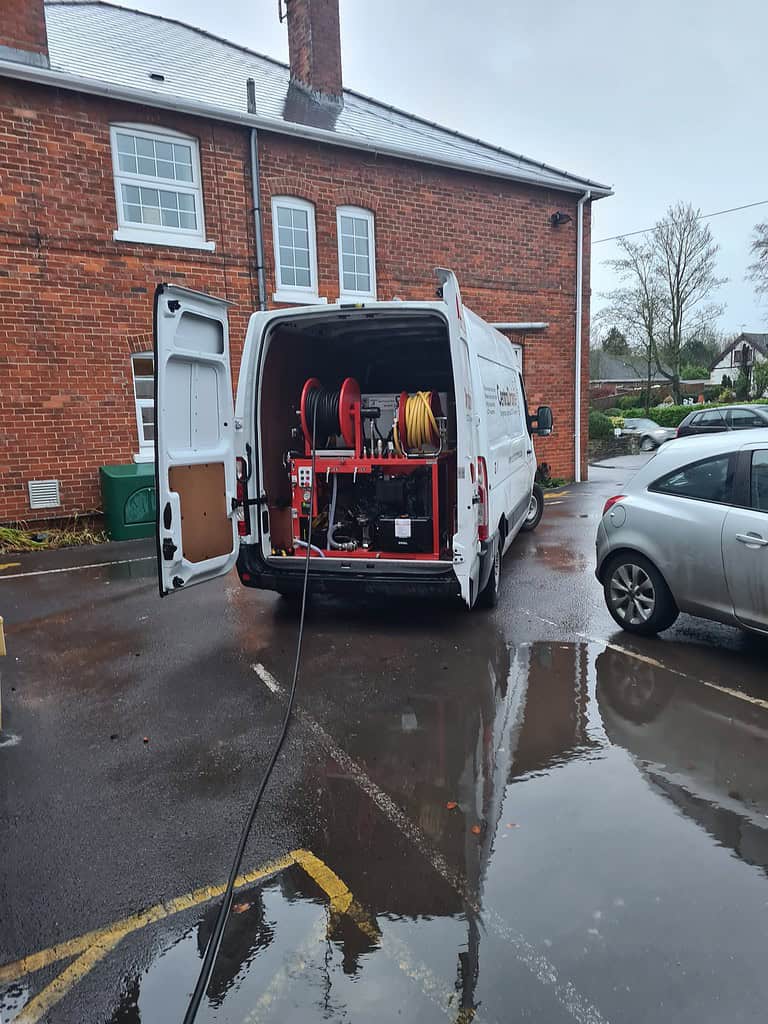
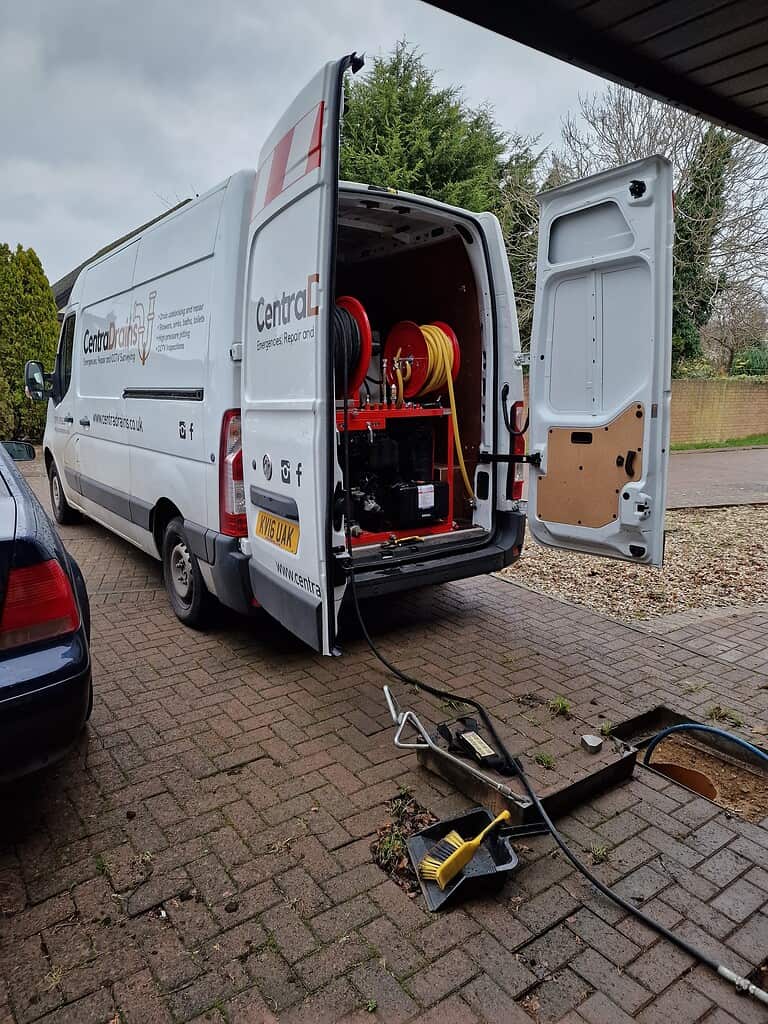
Professional commercial drain cleaning typically includes a combination of inspection and clearance methods.
CCTV Drain Inspections
Cameras are used to inspect the inside of pipework, identifying blockages, buildup, damage or root intrusion. This helps determine the best cleaning approach and prevents unnecessary work.
High-Pressure Water Jetting
Jetting removes grease, debris, scale and sediment from the pipe walls, restoring full flow and preventing future blockages.
External Drain and Gully Cleaning
Surface water drains, car park gullies and yard channels are cleared to prevent flooding during heavy rain.
Reporting and Maintenance Advice
After cleaning, businesses receive feedback on the system’s condition and recommendations for future maintenance.
Why Waiting for a Blockage Costs More
Many businesses only address drainage issues once a blockage occurs. Unfortunately, this reactive approach almost always costs more.
Emergency callouts often involve:
• Higher labour costs
• Increased disruption
• Potential flood damage
• Temporary closures
• Additional repairs
Routine maintenance spreads costs predictably and avoids sudden emergencies.
Legal and Hygiene Considerations for UK Businesses
Businesses have a duty to provide safe and hygienic facilities for staff and customers. Poor drainage can create health risks, unpleasant conditions and, in some industries, compliance issues.
Regular drain maintenance supports:
• Workplace health and safety
• Clean and usable facilities
• Reduced risk of complaints
• Better overall site management
For food and hospitality businesses, this is particularly important.
Creating a Drain Maintenance Plan
The most effective approach is a tailored maintenance plan based on your premises and usage.
A good plan includes:
• Scheduled inspections
• Regular cleaning intervals
• Rapid response for emerging issues
• Clear records of maintenance
This approach allows problems to be identified early and resolved before they impact your business.
How Centra Drains Supports Commercial Clients in Swindon
Centra Drains works with businesses across Swindon to keep commercial drainage systems running efficiently. By combining inspections, professional cleaning and preventative maintenance, we help businesses avoid costly downtime and unexpected emergencies.
Whether you operate a restaurant, office, retail unit or industrial site, regular drain cleaning is one of the smartest investments you can make in your property.
Final Thoughts
So, how often should commercial drains be cleaned? The honest answer is: as often as your business needs. High-use environments may require monthly or quarterly cleaning, while lower-use sites may only need annual maintenance. What matters most is not ignoring the system until something goes wrong.
Proactive drain cleaning protects your business, saves money and keeps everything flowing as it should. If you’re unsure about the right maintenance schedule for your premises, professional advice can help you plan effectively and avoid unnecessary risk.