blog
No-Dig Drain Repairs in Swindon: Drain Lining vs Patch Repairs
Finding out that you have a damaged drain can immediately bring to mind dug-up driveways, disturbed gardens and days of noisy work. In the past, excavation was often the only practical way to reach a cracked or leaking pipe. Thankfully, that is no longer always the case.
Modern no-dig drain repairs allow many damaged pipes to be restored from inside the existing drainage system. Two of the most common methods are drain lining and patch repairs. Both can provide a strong, lasting solution without the disruption of digging up large areas of your property.
So, what is the difference between the two, and how do you know which repair is right for your drains?
What Are No-Dig Drain Repairs?
No-dig drain repair is a general term for methods that repair damaged drainage pipes internally. Engineers access the system through an existing inspection chamber, manhole or other suitable entry point, rather than excavating the ground above the damaged section.
A specialist liner is inserted into the pipe and positioned over the affected area. Once cured, it forms a new surface inside the original drain.
This approach can often be used to deal with cracks, small fractures, leaking joints and damage caused by root intrusion. It can also help improve the internal condition of worn pipework.
The main benefit is simple. The drain can be repaired without unnecessarily disturbing patios, driveways, gardens or commercial premises.
How Is the Problem Assessed?
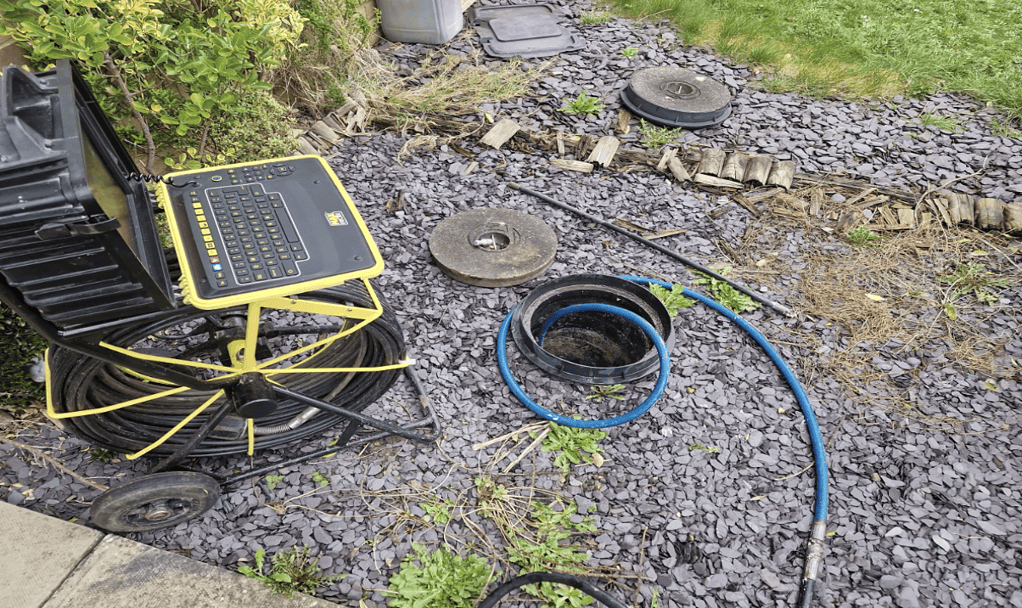
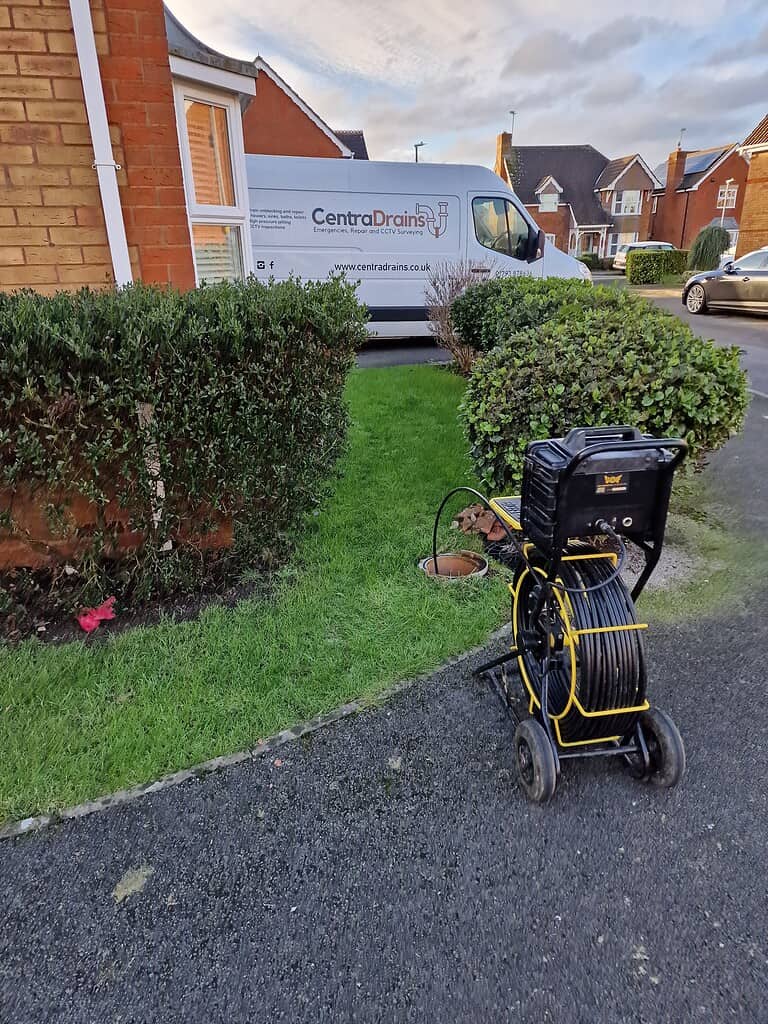
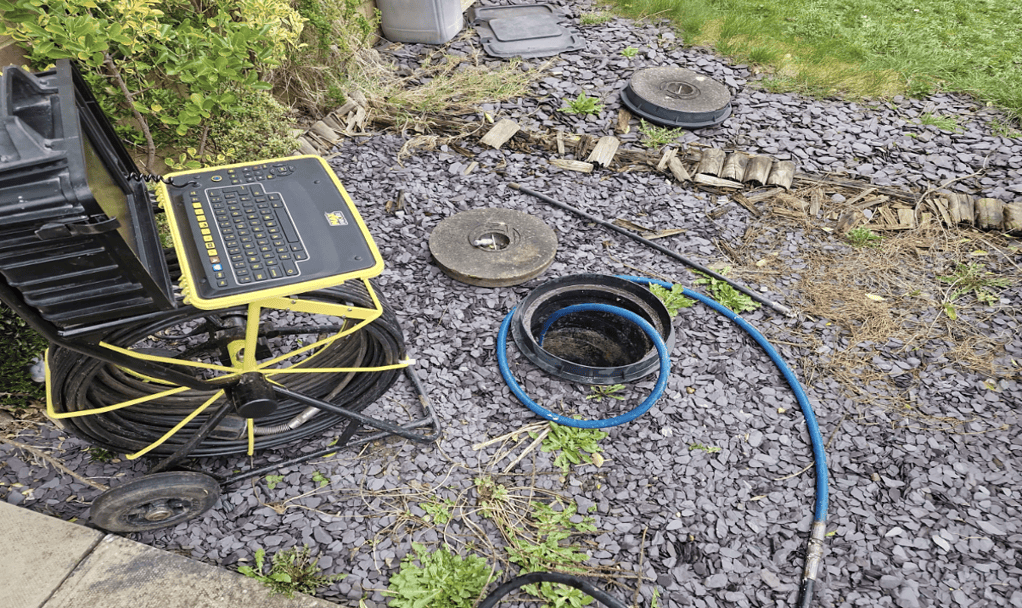
Before recommending any repair, the drainage system needs to be properly inspected. A CCTV drain survey is normally the first step.
A camera is fed through the pipework so the engineer can see the exact location, type and extent of the damage. This helps establish whether the pipe is suitable for lining, whether a local patch is enough, or whether a different repair will be needed.
This stage is important because not every drainage problem requires the same solution. A single crack should not automatically lead to an entire pipe being lined, just as widespread damage may not be properly addressed with one small patch.
The survey allows the repair to be based on what is actually happening inside the drain rather than guesswork.
What Is a Drain Patch Repair?
A patch repair is used to strengthen a specific, localised section of damaged pipe.
A resin-coated repair material is wrapped around an inflatable packer and guided through the drainage system to the exact location of the defect. The packer is then inflated, pressing the patch firmly against the inside of the pipe while it cures.
Once the material has hardened, the packer is removed. The new patch remains in place, covering and reinforcing the damaged area.
Patch repairs are commonly considered when there is one clearly defined problem, such as:
- A localised crack or fracture
- A leaking joint
- A small area damaged by tree roots
- A short section of weakened pipework
- A minor hole or defect in an otherwise sound drain
Because the work is focused on one area, a patch repair can be a practical and cost-effective choice when the rest of the pipe remains in good condition.
What Is Drain Lining?
Drain lining works on the same basic principle, but it is used to repair a longer section of pipe.
A flexible liner is coated with resin and inserted into the drain. It is positioned along the damaged length of pipe and pressed against the internal walls. Once cured, the liner forms a solid new pipe within the existing one.
Drain lining can cover several defects in one continuous section. It may be recommended when a pipe has multiple cracks, widespread wear, several leaking joints or more general deterioration.
Rather than repairing each small problem separately, the liner creates a smooth new internal surface throughout the affected length.
This can also improve flow by covering rough joints and damaged surfaces where waste might otherwise collect.
Drain Lining vs Patch Repairs
The best option depends mainly on the extent and position of the damage.
A patch repair is generally better suited to one isolated defect. If the CCTV survey shows that the surrounding pipework is healthy, there may be no need to line a much longer section.
Drain lining is often more appropriate when there are several defects close together or when a larger part of the pipe has deteriorated. It provides continuous protection across the full length being repaired.
The diameter, material and condition of the drain must also be considered. Access and the exact shape of the pipework can influence which method is practical.
There is no single repair that is automatically better in every situation. The right choice is the one that addresses the actual fault without carrying out more work than necessary.
What Are the Benefits of a No-Dig Repair?
The most obvious benefit is reduced disruption. If a damaged drain runs beneath a driveway, patio, landscaped garden or business premises, excavation can create a great deal of additional work.
No-dig methods may avoid the need to lift paving, remove soil or close off a larger area while the pipe is exposed and replaced.
They can also be quicker than traditional excavation, depending on the condition of the drain and the preparation required. This is particularly useful for commercial properties where access and downtime need to be kept under control.
Other benefits can include:
- A repair targeted directly at the damaged area
- Less mess around the property
- Reduced reinstatement work afterwards
- A smooth internal pipe surface
- A durable repair without replacing the entire drain
For many homeowners and businesses, it is a much more manageable way to deal with damaged underground pipework.
Can Every Damaged Drain Be Repaired Without Digging?
No-dig repairs are highly useful, but they are not suitable for every problem.
If a pipe has completely collapsed, lost its shape or become badly displaced, there may not be a stable structure for a liner or patch to follow. Severe damage can still require excavation and replacement.
The drain may also need to be thoroughly cleaned before lining can take place. Heavy scale, debris and tree roots must be removed so the repair material can sit correctly against the pipe wall.
This is why a proper CCTV survey and professional assessment are essential. No-dig repair should be recommended because it suits the condition of the drain, not simply because it sounds more convenient.
Signs That Your Drains May Need Repair
Drain damage is often hidden underground, but it can produce noticeable warning signs above the surface.
You may experience recurring blockages that return even after the pipe has been cleared. Water may drain slowly, unpleasant smells may keep appearing, or you may hear gurgling from connected fixtures.
Outside the property, unexplained damp patches, standing water, ground movement or a sunken area near the drain route can also suggest that water is escaping from damaged pipework.
These symptoms do not always mean the drain needs lining, but they do show that the system should be inspected. Clearing repeated blockages without finding out why they keep returning can allow the real problem to worsen.
No-Dig Drain Repairs for Swindon Properties
Properties across Swindon contain a wide mixture of drainage materials and layouts. Some have older pipes that have moved or weakened over time, while others may be affected by nearby trees, ground movement or previous building work.
A CCTV survey provides a clear view of the pipework and allows the repair to be planned around the individual property.
Where suitable, drain lining or a targeted patch repair can restore the damaged section while keeping disruption to a minimum. If excavation is genuinely needed, the survey also helps identify the exact area that requires attention.
Get the Right Repair for the Problem
A damaged drain does not always mean your driveway or garden needs to be dug up. Modern no-dig techniques can repair many cracks, fractures and leaking joints from within the existing pipe.
Patch repairs are ideal for small, isolated defects, while drain lining is often used when damage affects a longer section. The right answer starts with a detailed inspection and an honest assessment of the pipe’s condition.
Centra Drains provides CCTV drain surveys and professional drain repairs for homes and businesses across Swindon and the surrounding areas. If you are dealing with repeat blockages, unexplained smells or suspected pipe damage, getting the system checked early can help prevent a smaller fault from becoming a much larger repair.