blog
The Difference Between Private Drains and Public Sewers (UK Explained)
When a drainage problem occurs, one of the first questions property owners and businesses ask is: who is responsible for fixing it? In the UK, the answer depends on whether the issue lies in a private drain or a public sewer — and the difference is not always obvious.
Many homeowners and business owners in Swindon assume that anything underground is the responsibility of the water company. In reality, a large portion of drainage pipework is privately owned, meaning repairs and maintenance fall to the property owner.
In this guide, we clearly explain the difference between private drains and public sewers, how responsibility is decided in the UK, and what to do if you’re unsure where a blockage or fault is located.
What Is a Private Drain?
A private drain is a pipe that carries wastewater away from a single property and lies within the boundary of that property.
Private drains typically include:
• Pipework from sinks, toilets and appliances
• Underground drains within your property boundary
• Drainage serving only one home or business
If a blockage or fault occurs in this section, responsibility usually lies with the property owner or business occupying the premises.
This applies to both residential and commercial properties.
What Is a Public Sewer?
A public sewer is a pipe that collects wastewater from multiple properties and transports it to a treatment facility. These sewers are maintained by the local water authority.
Public sewers usually:
• Serve more than one property
• Are located outside property boundaries
• Run beneath roads, pavements or public land
If a blockage or collapse occurs in a public sewer, it is generally the responsibility of the water authority to investigate and repair it.
What About Shared or Lateral Drains?
This is where confusion often arises.
A lateral drain is the section of pipe that runs from a private drain to the public sewer, often crossing land outside the property boundary. In England, most lateral drains are now the responsibility of the water authority — even if they serve a single property.
However, shared private drains that serve multiple properties within property boundaries may still be the responsibility of the property owners or landlords involved.
Determining responsibility often depends on the exact layout of the drainage system.
Why This Matters When a Drain Blocks
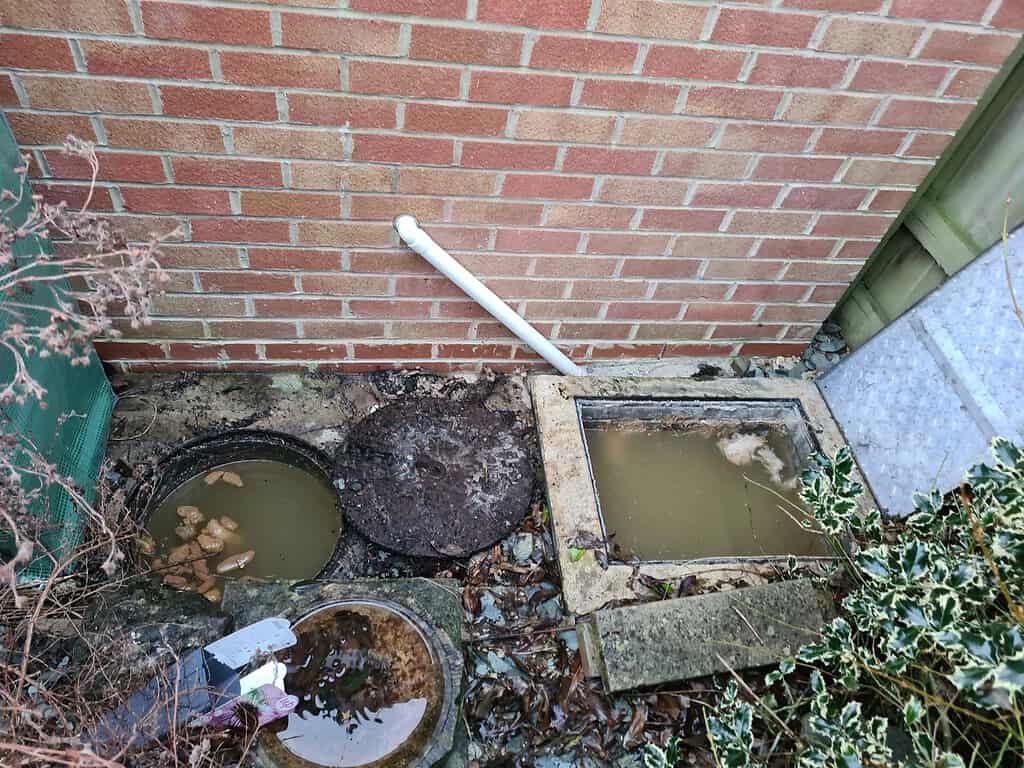
When a drain blocks, delays caused by uncertainty over responsibility can make the situation worse. Wastewater may back up, facilities can become unusable and damage can escalate quickly.
Knowing whether a drain is private or public helps ensure:
• The correct party is contacted immediately
• Repairs are not delayed
• Costs are not incorrectly passed on
• Disputes are avoided
This is especially important for businesses, landlords and property managers.
How to Tell Whether a Drain Is Private or Public
Unfortunately, it’s rarely possible to tell just by looking at the surface.
Factors that help determine responsibility include:
• Whether the drain serves one or multiple properties
• Whether it lies within the property boundary
• Drainage plans or records
• Location of manholes
• CCTV inspection results
In many cases, a professional investigation is required to confirm exactly where the problem lies.
Why CCTV Drain Surveys Are So Important
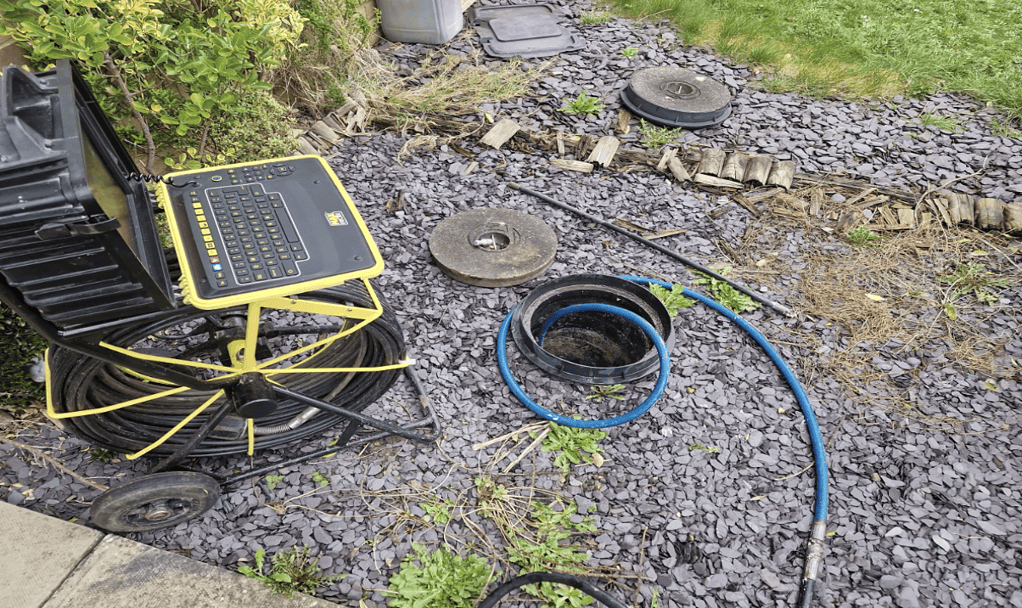
A CCTV drain survey is often the quickest and most accurate way to identify drainage responsibility.
Using specialist cameras, engineers can:
• Trace the route of the drain
• Locate the exact position of a blockage or defect
• Identify whether the drain is private, shared or public
• Provide evidence for insurers, landlords or water companies
This avoids guesswork and ensures the correct party takes responsibility.
Who Pays for Repairs?
In simple terms:
• Private drain issue – property owner or tenant (depending on lease)
• Shared private drain – shared responsibility or landlord
• Public sewer issue – water authority
However, lease agreements, property ownership structures and commercial arrangements can affect this, so professional advice is often essential.
Common Misconceptions About Drain Responsibility
One of the most common myths is that anything underground is the water company’s responsibility. This is not the case.
Another misconception is that shared drains are always public sewers. In reality, many shared drains remain privately owned, particularly in older developments.
These misunderstandings can lead to delays, unnecessary callouts and frustration.
What Should You Do If You’re Unsure?
If you’re experiencing a blocked drain and don’t know who is responsible, the best approach is to act quickly and get the system checked.
Early investigation helps:
• Prevent flooding and damage
• Reduce downtime for businesses
• Avoid disputes
• Speed up resolution
Waiting for the problem to “sort itself out” almost always makes matters worse.
How Centra Drains Helps Swindon Properties
Centra Drains helps homeowners, businesses and landlords across Swindon by accurately locating drainage issues and clarifying responsibility.
Through professional inspections and clear reporting, we remove uncertainty and ensure problems are handled efficiently — whether that means clearing a private drain or helping escalate an issue to the correct authority.
Final Thoughts
Understanding the difference between private drains and public sewers can save time, money and stress when drainage problems arise. While the rules in the UK are clear, identifying where a fault lies often requires professional investigation.
If you’re dealing with a blocked drain and aren’t sure who is responsible, getting clarity early is the fastest way to protect your property and resolve the issue properly.
Drainage problems don’t need guesswork — they need answers.