blog
Why Your Shower Is Draining Slowly Even After Cleaning
slow-draining shower is one of those problems most people try to fix themselves first. You remove the hair from the plughole, rinse it through, maybe use a drain cleaner, and for a short while it seems better.
Then the water starts pooling around your feet again.
If your shower keeps draining slowly even after you’ve cleaned it, the issue is usually deeper than the surface. In many cases, the blockage isn’t sitting directly under the drain cover at all. It’s further down the pipework, gradually restricting the flow of water.
The longer it’s left, the worse it tends to get.
Why Showers Start Draining Slowly
Over time, shower drains collect a mixture of hair, soap residue, shampoo products and general debris. At first, it builds up slowly along the pipe walls without causing obvious problems.
As the blockage grows, water has less space to pass through. Eventually, drainage slows enough for you to notice it during normal use.
What catches people out is that clearing the visible debris near the top often doesn’t remove what’s built up further down the line.
The Most Common Causes
Hair Build-Up
Hair is one of the biggest causes of slow shower drains. Once it enters the pipework, it tangles together and catches soap and residue flowing past.
Even if you remove what’s visible at the surface, there can still be a much larger build-up deeper inside the pipe.
Soap and Product Residue
Soap doesn’t always wash away as cleanly as people think. Over time, residue sticks to the inside of the pipework and narrows the flow.
When combined with hair and debris, it creates a stubborn blockage that gradually worsens.
Problems Further Down the Pipe
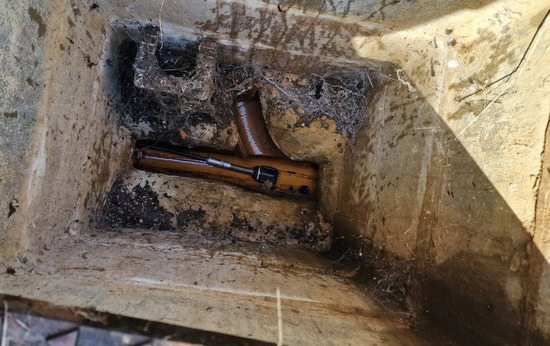
Sometimes the issue isn’t local to the shower at all. A restriction further along the drainage system can affect how quickly water drains from the shower tray.
If other fixtures in the property are also draining slowly, this is often a sign the issue runs deeper.
Pipe Damage or Poor Drainage Falls
In some properties, the pipework itself may be contributing to the issue. Poor installation, sagging sections of pipe or small amounts of movement underground can all affect how water flows away.
This is more common in older properties or systems that have had previous work carried out.
Signs It Could Be More Than a Minor Blockage
A slow shower drain is usually the first warning sign, but there are often others.
You may also notice:
- Gurgling noises after the water drains
- Bad smells coming from the shower
- Water backing up briefly before clearing
- Slow drainage elsewhere in the property
If these signs keep appearing, it’s worth investigating properly rather than relying on repeated quick fixes.
Why DIY Fixes Often Only Work Temporarily
Most DIY drain cleaners and home remedies only clear a small channel through the blockage. Water starts flowing again for a while, but the build-up remains inside the pipe.
Over time, debris collects again and the slow drainage returns.
Some chemical cleaners can also damage older pipework if used repeatedly, which is why ongoing DIY treatment usually isn’t the best long-term solution.
When It’s Time to Get It Checked
If the shower keeps draining slowly despite cleaning it, the issue probably needs a more thorough inspection.
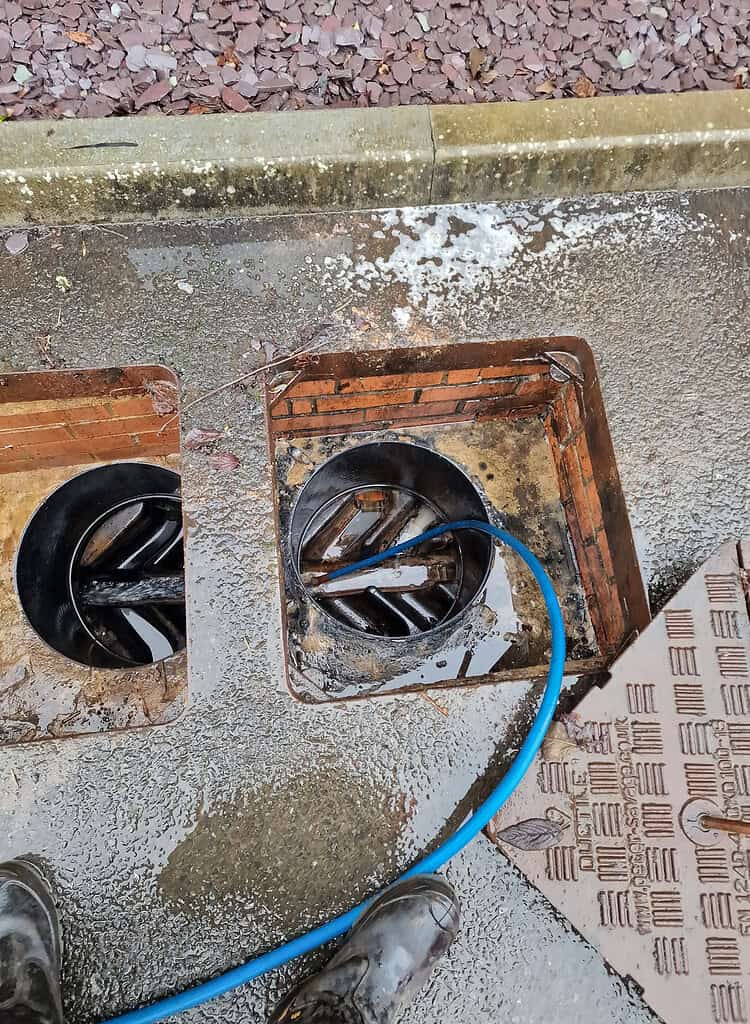
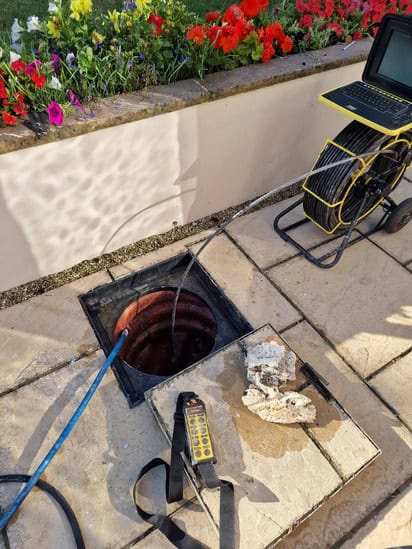
Professional drain equipment can fully clear blockages rather than partially opening them up. In some cases, a camera inspection may also be used to check whether there’s a deeper issue affecting the system.
Getting it sorted early is usually far easier than waiting until the drain blocks completely.
Preventing Future Shower Drain Problems
While some build-up is unavoidable, there are a few simple ways to reduce the chances of recurring issues.
Using a hair catcher over the drain can make a huge difference. Regularly rinsing the drain with hot water also helps prevent residue from sticking inside the pipes.
Most importantly, don’t ignore early signs. Slow drainage rarely fixes itself.
Final Thoughts
If your shower keeps draining slowly even after cleaning it, there’s usually more going on beneath the surface.
What starts as a small blockage can gradually turn into a much bigger issue if left untreated. Catching the problem early is the best way to avoid full blockages, unpleasant smells and more serious drainage problems later on.
A properly flowing shower drain should empty quickly and quietly. If yours isn’t, it’s probably time to find out why.