blog
How Tree Roots Damage Drains (And What You Can Do About It)
Tree-lined streets look great. Mature trees add character, privacy and value to properties. But underground, those same trees can quietly cause serious problems for your drainage system.
Tree root intrusion is one of the most common causes of damaged drains in the UK, particularly in areas with older pipework. The frustrating part is that it often develops slowly and silently, only becoming obvious once blockages or structural damage appear.
If you’ve experienced recurring blockages, slow drains or unexplained issues in your drainage system, tree roots could be the hidden cause.
Here’s how it happens — and what can be done about it.
Why Tree Roots Target Drains
Tree roots naturally grow towards moisture. Underground drainage pipes carry a constant supply of water, making them an attractive target.
Roots don’t usually break into pipes by force. Instead, they take advantage of existing weak spots such as:
- Small cracks
- Loose joints
- Ageing pipe connections
- Tiny gaps in older clay pipes
Once a root finds a way in, it continues to grow inside the pipe, feeding off the moisture and nutrients. Over time, what started as a fine root strand can become a thick mass that restricts flow.
Early Signs of Root Intrusion
Because the damage happens underground, the warning signs are often subtle at first.
Common signs include:
Repeated Blockages
If the same drain keeps blocking despite being cleared, it could mean roots are partially restricting the pipe.
Slow Drainage
Water may still drain, but more slowly than usual.
Gurgling Sounds
Air pockets caused by restricted flow can create bubbling or gurgling noises.
Bad Smells
Waste caught in root growth can lead to persistent unpleasant odours.
Soggy Patches in the Garden
If a pipe has cracked or split, wastewater may leak into surrounding soil, causing damp ground even in dry weather.
If these symptoms keep returning, it’s worth investigating properly rather than repeatedly treating the surface issue.
What Happens If Root Damage Is Ignored
Roots don’t stop growing. Once inside a pipe, they expand and thicken over time.
If left untreated, root intrusion can lead to:
- Full blockages
- Pipe cracks widening
- Joint displacement
- Collapsed drain sections
- Ground movement above the damaged area
At that point, repairs become more disruptive and more expensive.
Acting early makes a huge difference.
How Root Intrusion Is Diagnosed
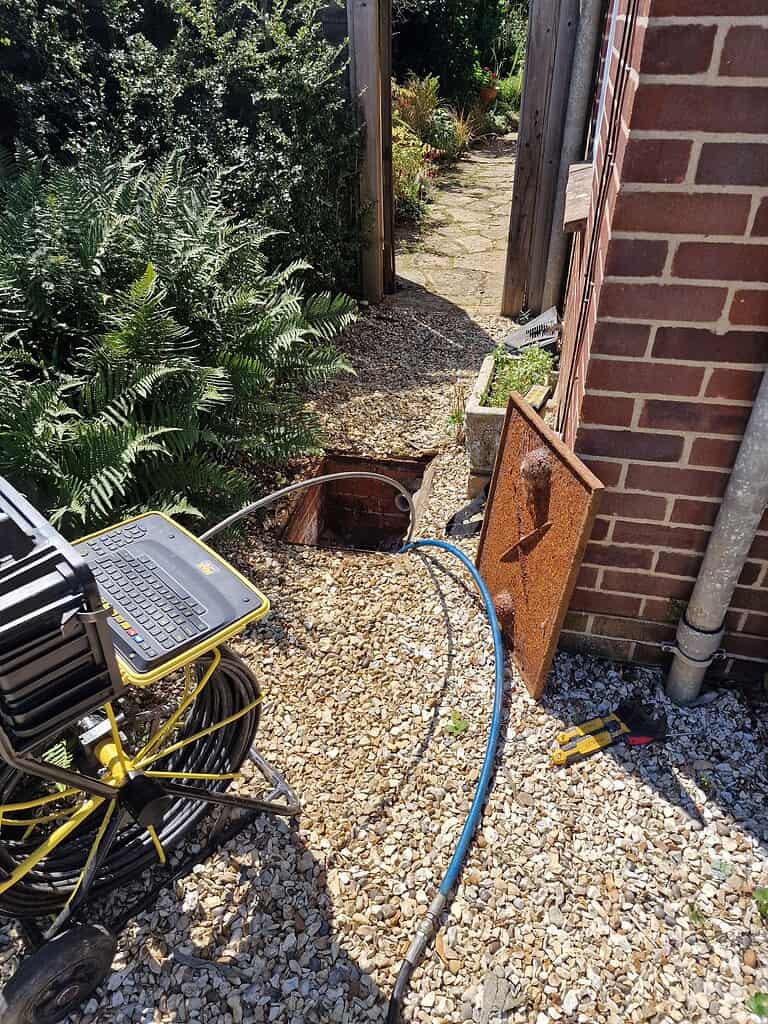
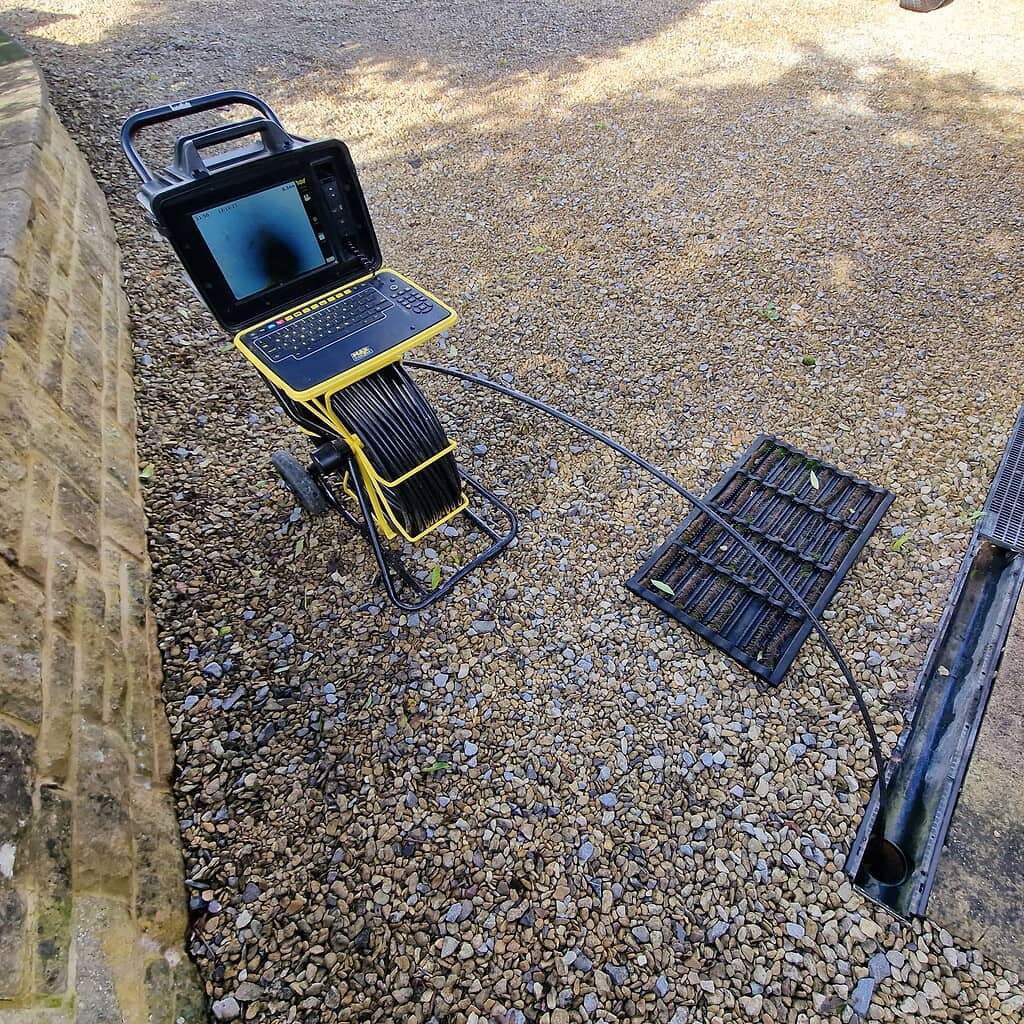
The only reliable way to confirm root intrusion is through a CCTV drain inspection.
A small camera is inserted into the drainage system, allowing engineers to see exactly what’s happening inside the pipework. This identifies:
- The location of root growth
- The severity of the intrusion
- Any structural damage
- Whether the pipe has cracked or shifted
Without this inspection, you’re guessing.
How Tree Roots Are Removed
There are several professional methods used to remove roots safely.
Root Cutting
Specialist equipment cuts through root masses inside the pipe without damaging the structure.
High-Pressure Water Jetting
Jetting can help clear smaller root growth and flush debris away.
No-Dig Drain Repairs
If roots have caused cracks or joint issues, patch lining can repair sections internally without excavation.
Excavation (If Necessary)
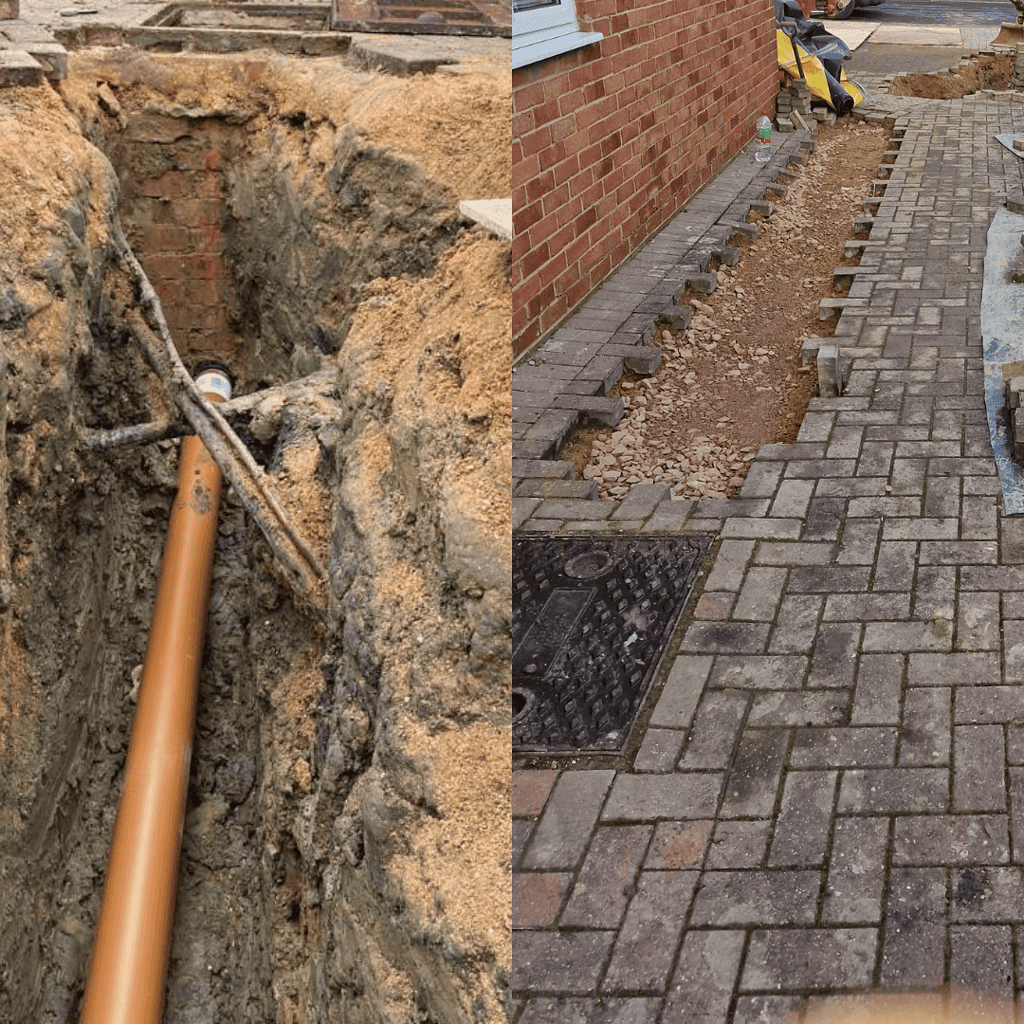
In severe cases where a drain has collapsed, excavation may be required. However, this is usually a last resort.
The right solution depends on the condition of the pipe and the extent of the damage.
Can It Be Prevented?
While you can’t stop trees growing, you can reduce the risk of serious damage.
Practical steps include:
- Addressing slow drainage early
- Avoiding repeated DIY clearing attempts
- Booking inspections if blockages keep returning
- Monitoring drains in properties with mature trees nearby
Older clay pipe systems are particularly vulnerable, so proactive checks are often worthwhile in these properties.
Why This Is So Common in the UK
Many UK homes and commercial buildings still rely on older drainage systems installed decades ago. Clay pipes, once widely used, are especially prone to joint gaps that allow roots to enter.
Combined with mature trees in residential areas, this creates the perfect conditions for root intrusion.
It’s not unusual to find root damage in properties that otherwise seem structurally sound.
Don’t Ignore the Warning Signs
Tree root damage doesn’t fix itself. Clearing the surface blockage might restore flow temporarily, but unless the roots are properly removed, the issue will return.
If your drains are repeatedly blocking, slow or causing strange noises, it’s worth investigating properly. Catching root intrusion early can prevent major excavation work later.
Final Thoughts
Tree roots are one of the most common hidden causes of drainage problems. They grow slowly, cause damage quietly and often go unnoticed until blockages become frequent.
The good news is that, when identified early, they can usually be dealt with efficiently and without major disruption.
If your drainage system isn’t behaving as it should, it may not just be a simple blockage. Sometimes the real problem is growing just beneath the surface.