blog
What Should Never Go Down Your Drains? 10 Common Mistakes Homeowners Make
Most people don’t think twice about what goes down the sink or toilet. If it disappears down the plughole, it’s easy to assume it’s gone for good. Unfortunately, many everyday items can cause serious problems once they enter the drainage system.
Blocked drains often start with small habits that seem harmless at the time. Over weeks or months, these materials build up inside pipes, restricting flow and eventually causing a full blockage.
The good news is that many drainage problems can be avoided with a few simple changes. Here are ten of the most common things that should never go down your drains.
1. Cooking Oils and Grease
One of the biggest causes of blocked kitchen drains is cooking oil, fat and grease. When these liquids are poured down the sink, they may seem harmless because they’re still warm and runny.
However, as they cool inside the pipes, they solidify and stick to the pipe walls. Over time, this creates a thick layer that traps food waste and other debris, gradually forming a stubborn blockage.
A better option is to let grease cool and dispose of it in the bin instead.
2. Food Scraps
Even small bits of food can contribute to blocked drains. Rice, pasta, vegetable peelings and coffee grounds are particularly problematic because they expand, clump together or settle in pipe bends.
Over time, these materials can collect and create a partial blockage that slows drainage before eventually stopping it altogether.
Using a sink strainer can help prevent food from entering the drain in the first place.
3. Wet Wipes
Despite being labelled as “flushable”, wet wipes are a major cause of drain blockages across the UK. Unlike toilet paper, they don’t break down easily in water.
Instead, they stay intact and often combine with grease and other debris to form large blockages further down the pipework.
Wet wipes should always be placed in the bin rather than flushed down the toilet.
4. Sanitary Products
Sanitary towels, tampons and other hygiene products are designed to absorb liquid and expand. Because of this, they can easily become lodged in pipes and cause serious blockages.
These products should never be flushed down the toilet, even if they appear small or biodegradable.
5. Hair
Hair is a common cause of blockages in bathroom drains. It tends to clump together, especially when combined with soap residue and other debris.
Once hair collects inside pipes, it creates a net-like mass that traps additional waste and slows the flow of water.
Using a simple drain guard in showers and sinks can help prevent this buildup.
6. Coffee Grounds
Coffee grounds might look harmless, but they don’t dissolve in water. Instead, they settle inside the pipework and form dense clumps.
Over time, these clumps can combine with grease or soap to create stubborn blockages.
Coffee grounds are better disposed of in the bin or compost.
7. Eggshells
Many people assume eggshells are safe for drains because they break into small pieces. In reality, the small fragments can stick to grease and debris already lining the pipes.
As they accumulate, they contribute to blockages rather than breaking down.
8. Paint and Chemicals
Paint, solvents and strong chemicals should never be poured down the drain. These substances can harden inside pipes, damage pipework or cause environmental harm once they reach the sewer system.
Leftover paint should be disposed of through appropriate waste services instead.
9. Cotton Buds and Dental Floss
Small items like cotton buds, dental floss and cotton pads might seem too tiny to cause issues. However, they don’t break down in water and can easily become caught in pipe joints.
Once trapped, they begin to collect other debris and form the start of a blockage.
10. Excessive Toilet Paper
Toilet paper is designed to break down, but large quantities flushed at once can still cause problems, particularly in older drainage systems.
Using reasonable amounts and allowing time between flushes can help prevent this.
Why These Items Cause Bigger Problems Over Time
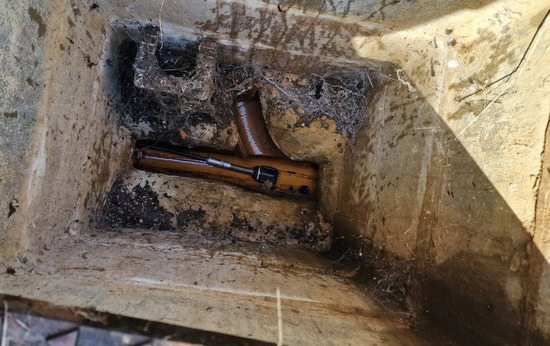
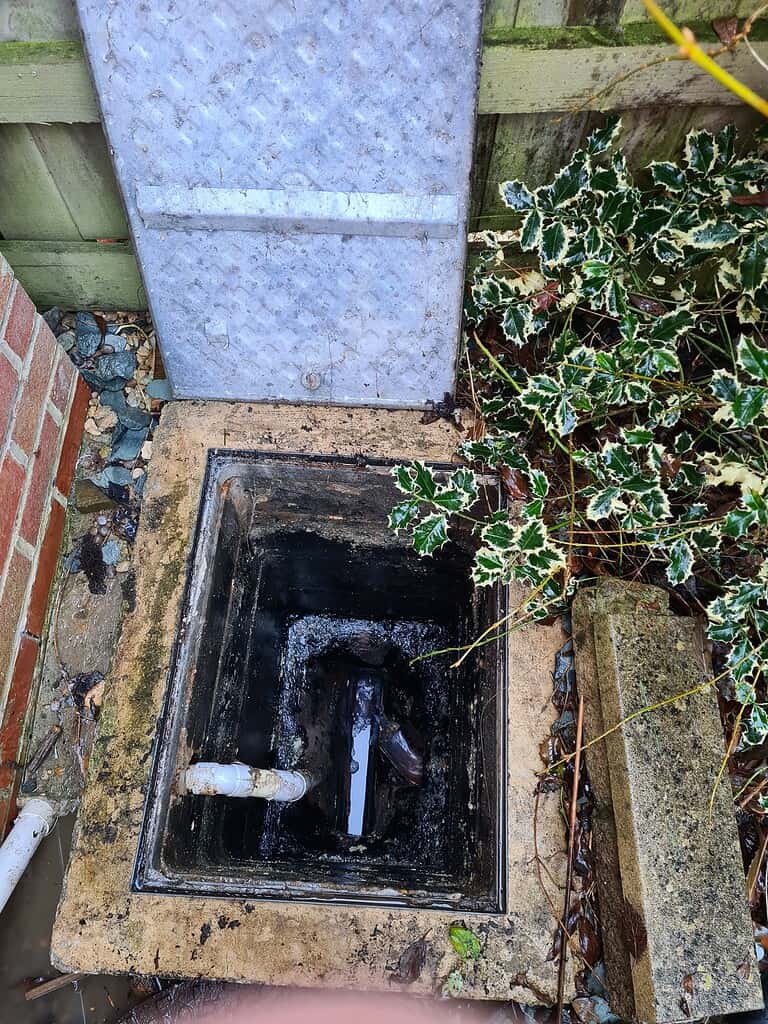
Most drain blockages don’t happen instantly. They build gradually as materials accumulate inside the pipework.
At first, water may still flow, but more slowly. Over time, the pipe becomes increasingly restricted until a full blockage occurs.
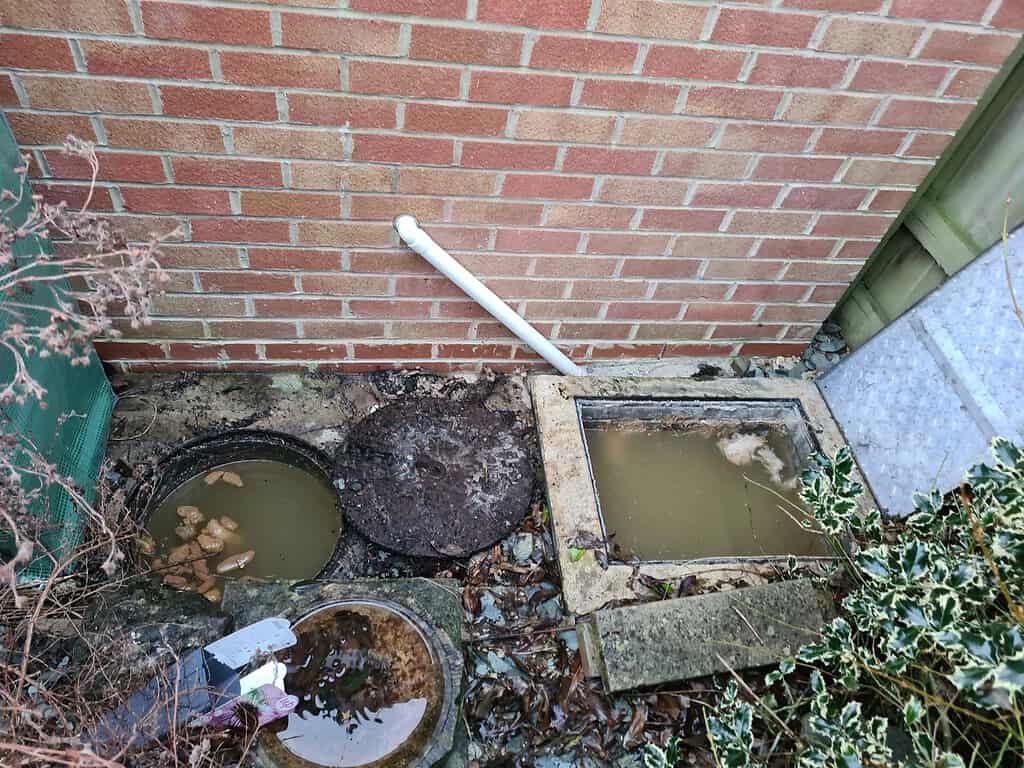
When that happens, the result can be:
- Slow drainage
- Bad smells
- Backed-up sinks or toilets
- Overflowing outside drains
Preventing these blockages is much easier than dealing with them once they’ve formed.
Simple Ways to Protect Your Drains
Looking after your drainage system doesn’t require major changes. A few simple habits can make a big difference.
For example:
- Dispose of grease and oils in the bin
- Use drain guards in sinks and showers
- Avoid flushing anything except toilet paper
- Keep outdoor drains clear of debris
- Pay attention to slow drainage early
These small steps can significantly reduce the risk of blockages.
Final Thoughts
Your drains are designed to carry wastewater away safely, but they can only handle certain materials. Many common household items don’t break down properly and can lead to serious problems inside the pipework.
By knowing what should never go down your drains, you can prevent many of the blockages that cause disruption, damage and costly repairs.
A little care today can save a lot of trouble tomorrow.